“I would highly recommend Floor Monkeys!”
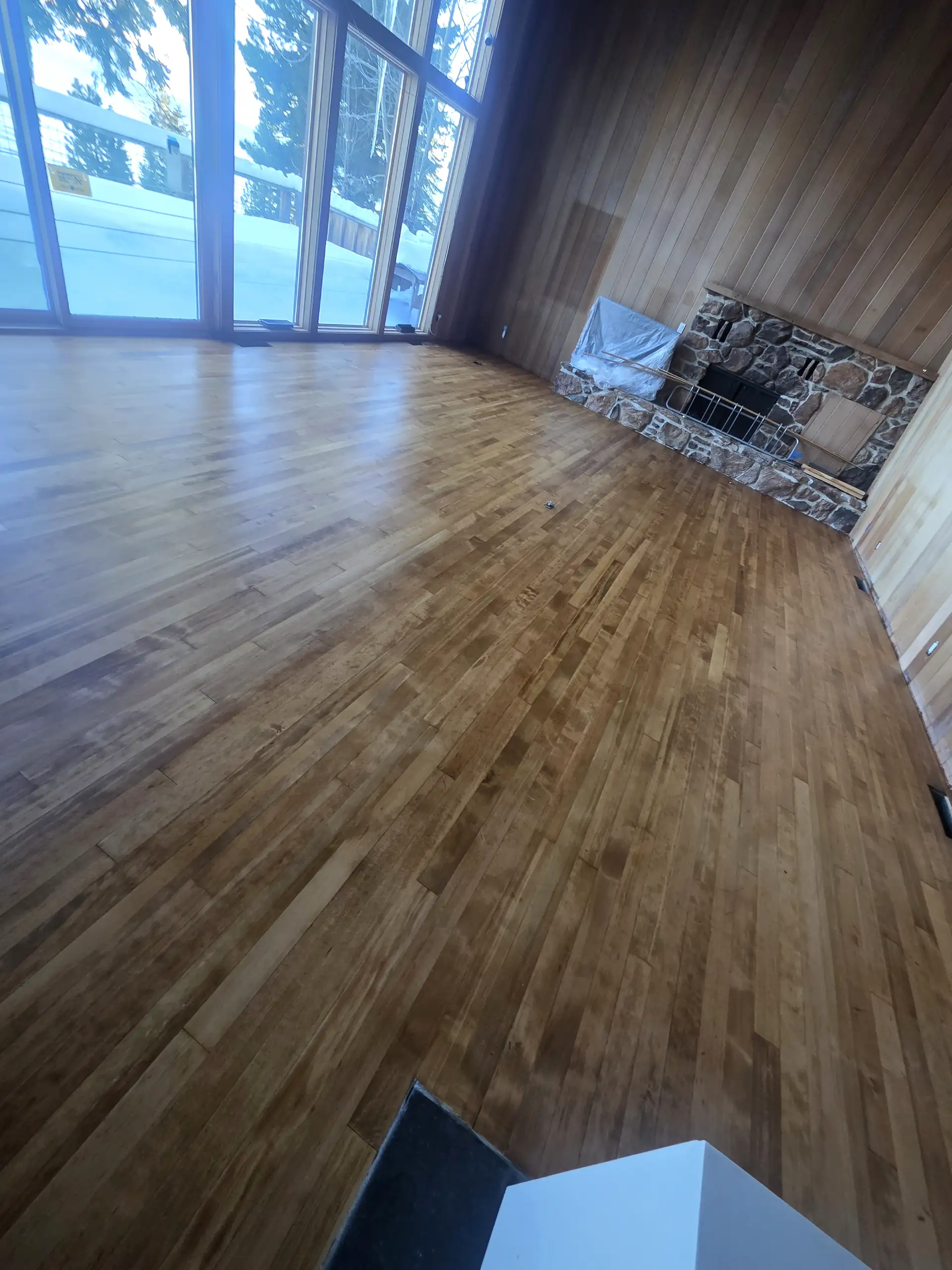
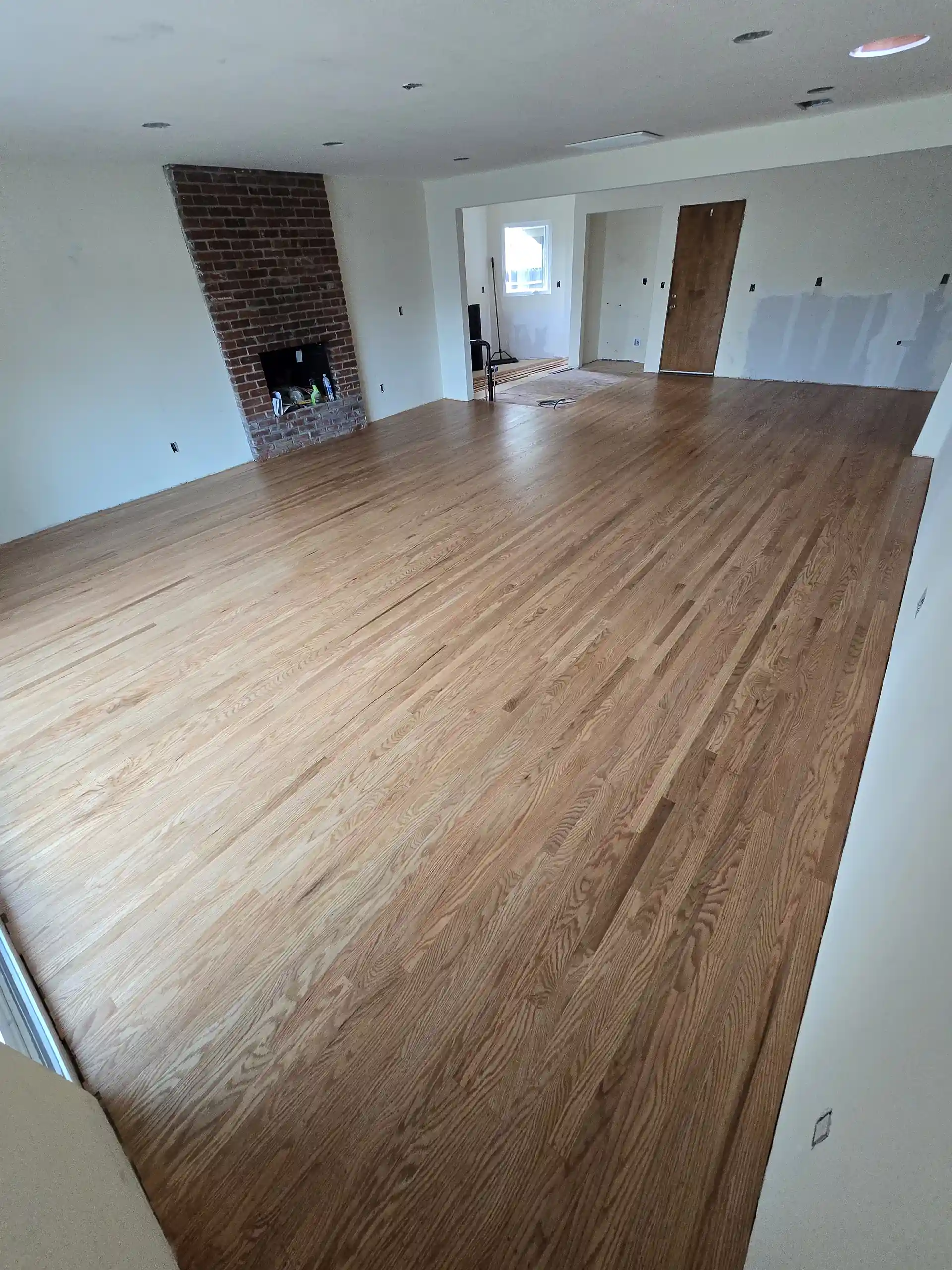
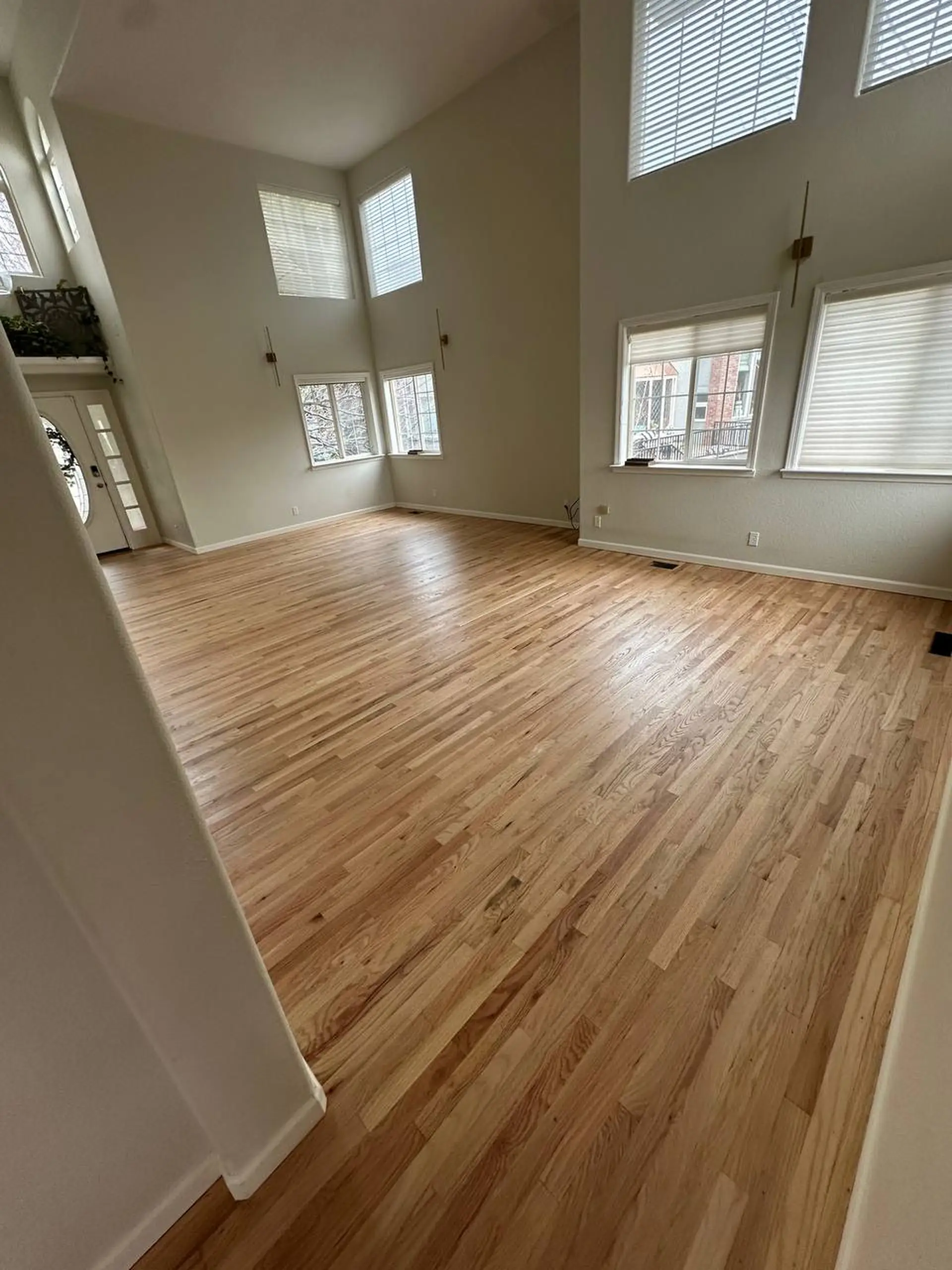
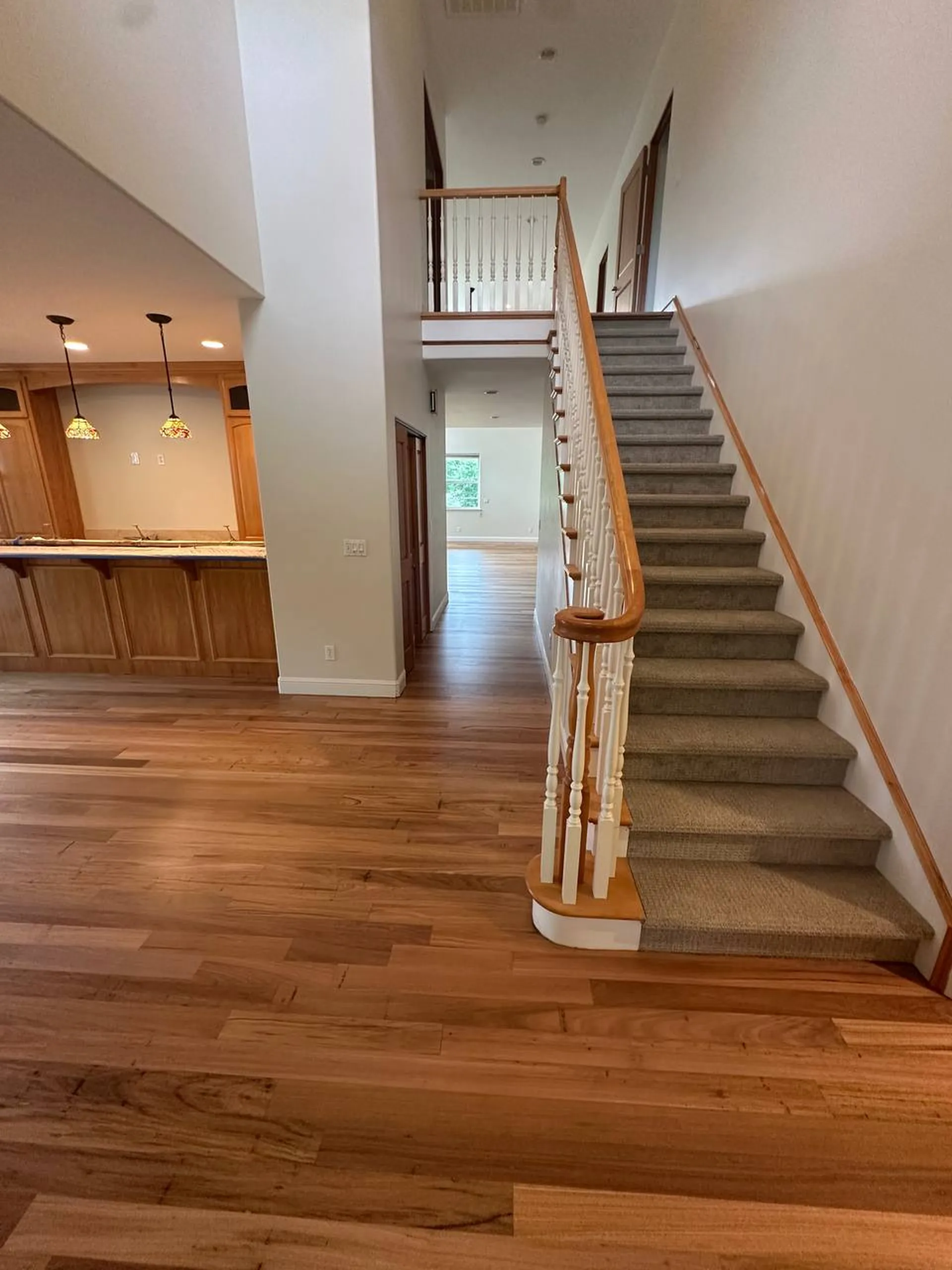
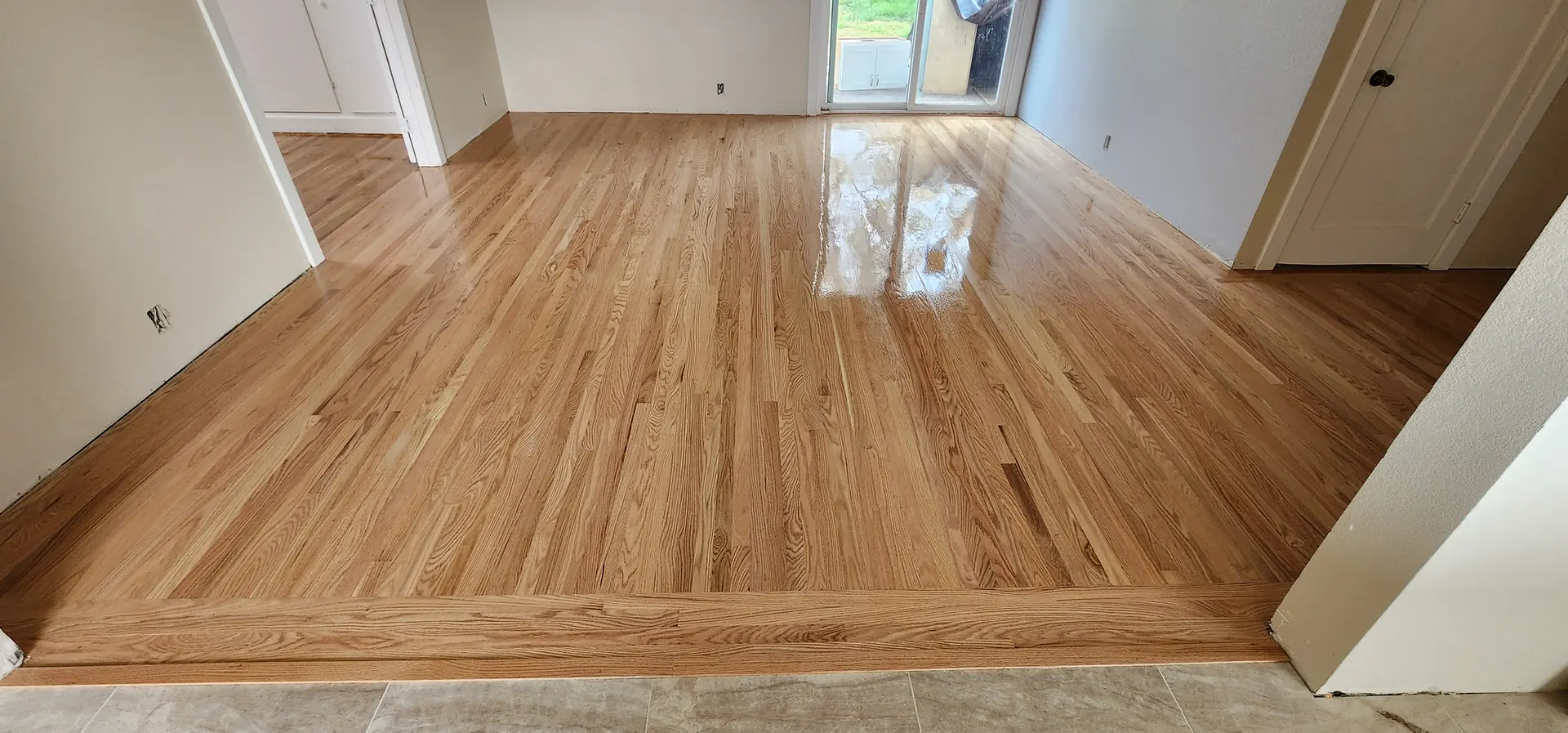
Sanded & refinished Douglas Fir floors from 1958 & gave them new life! Fast, efficient, skilled & professional! I would highly recommend Floor Monkeys! 🐒🐒🐒
East Sacramento Flooring
Original oak beneath old carpet can become the floor you enjoy again.
Half of East Sacramento's homes were built before 1950. Homes from this era often have hardwood worth refinishing.
88% of homes here were built before 1980.
Source: U.S. Census Bureau, American Community Survey 5-year estimates, 2024. Figures for ZIP 95819. Updated November 2026.
Your Project
East Sacramento homes from the 1920s through the 1940s often hold oak strip floors beneath carpet. Our refinishing work starts with finding out how much sound wood remains. Most East Sacramento homes were built around 1950 or earlier.
A full sanding removes worn finish and opens fresh oak for color. We check the remaining board thickness before setting the scope.
Light surface wear may suit a fresh coat after careful finish testing. Deep cuts and bare wood call for a different plan.
Stain samples on your own oak show how grain shapes each shade. Our test spots help settle the color before the whole room changes.
Carpet removal can reveal old oak along with staples and dark marks. Each exposed room gets a close review before sanding begins.
Wood stair treads need their own wear check and clear access plan. We discuss tread edges and finish grip alongside the main floors.
Loose strips and damaged boards need attention before the sanding pass starts. Sound repairs give the fresh finish a more even base.
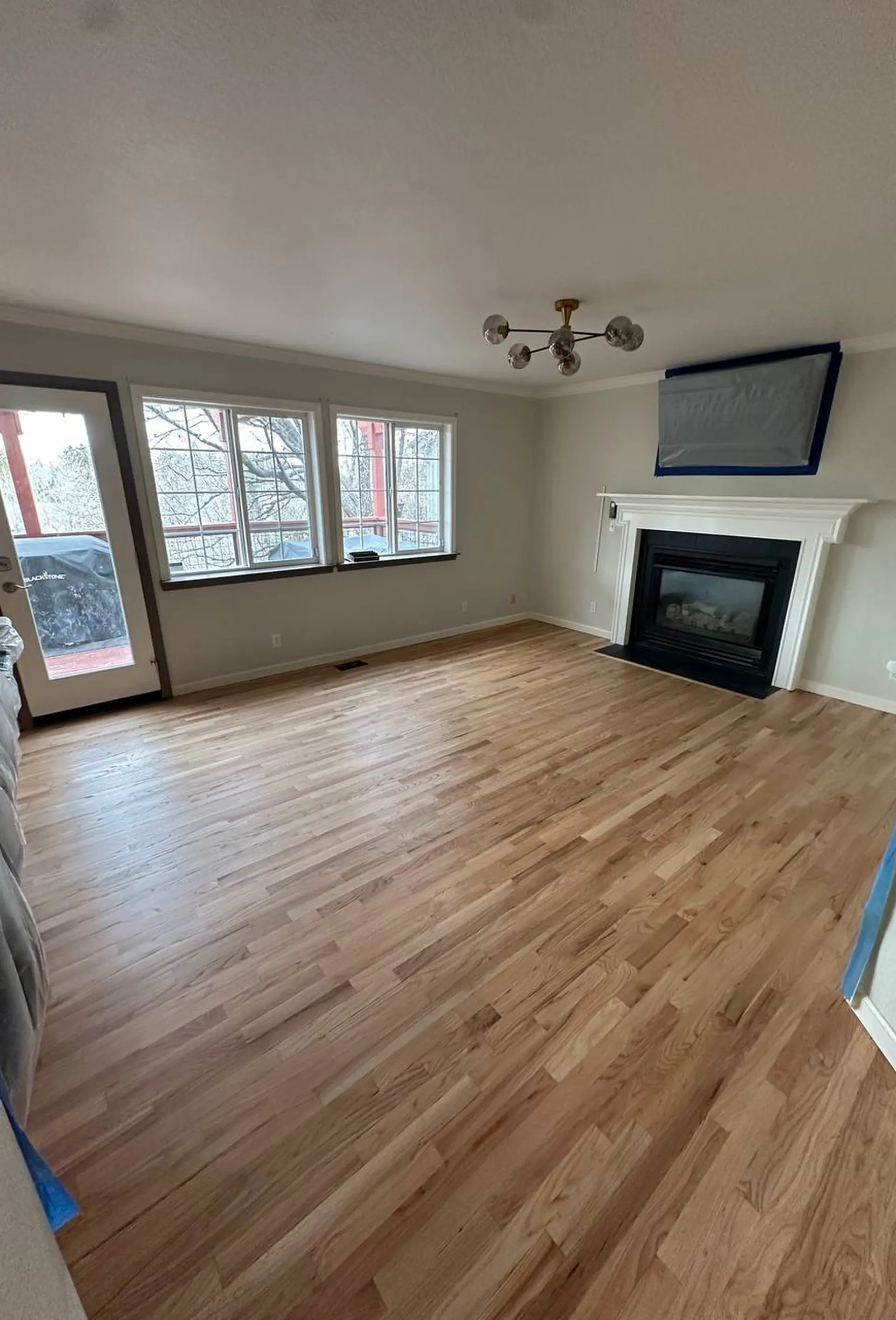
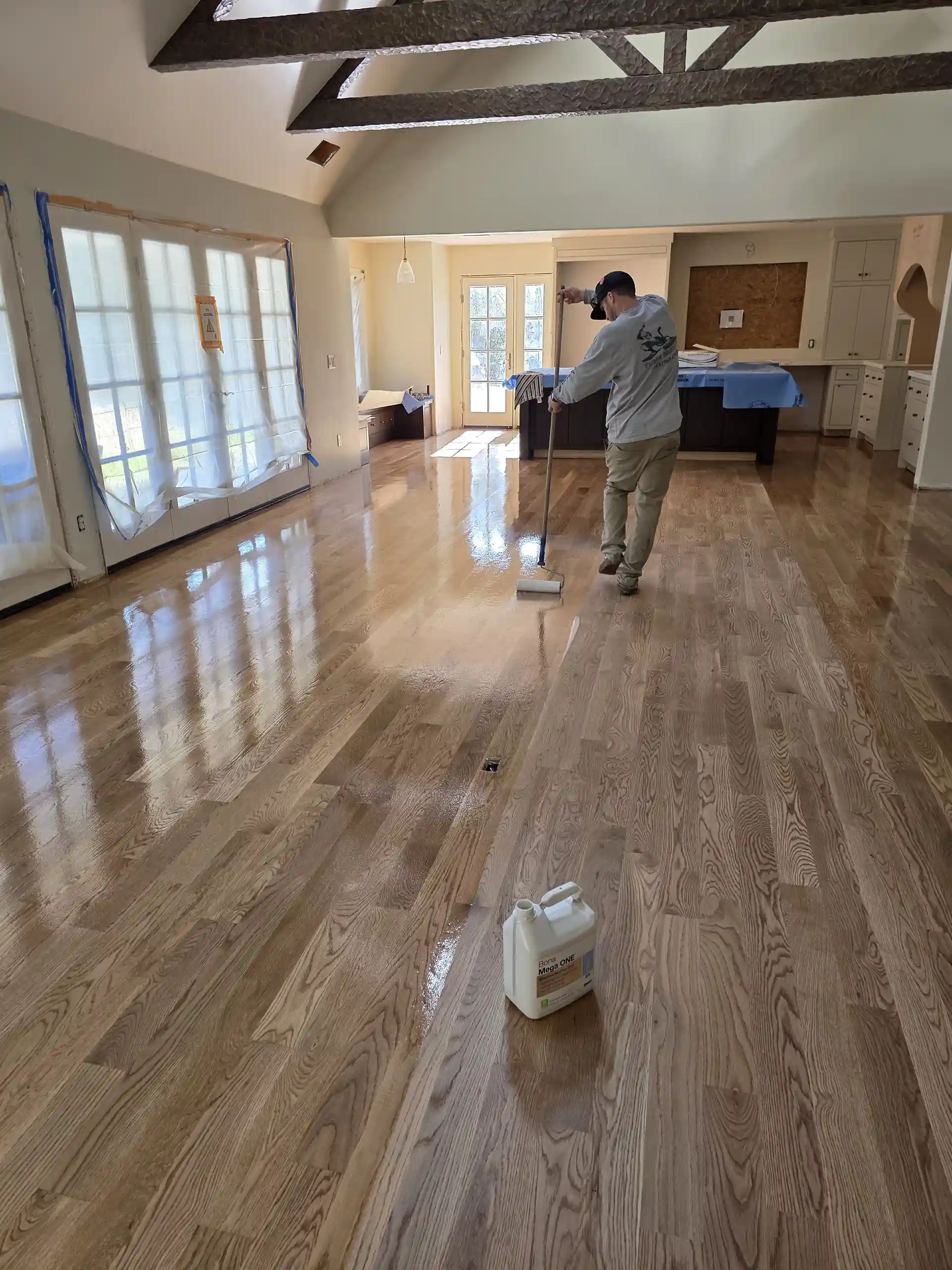
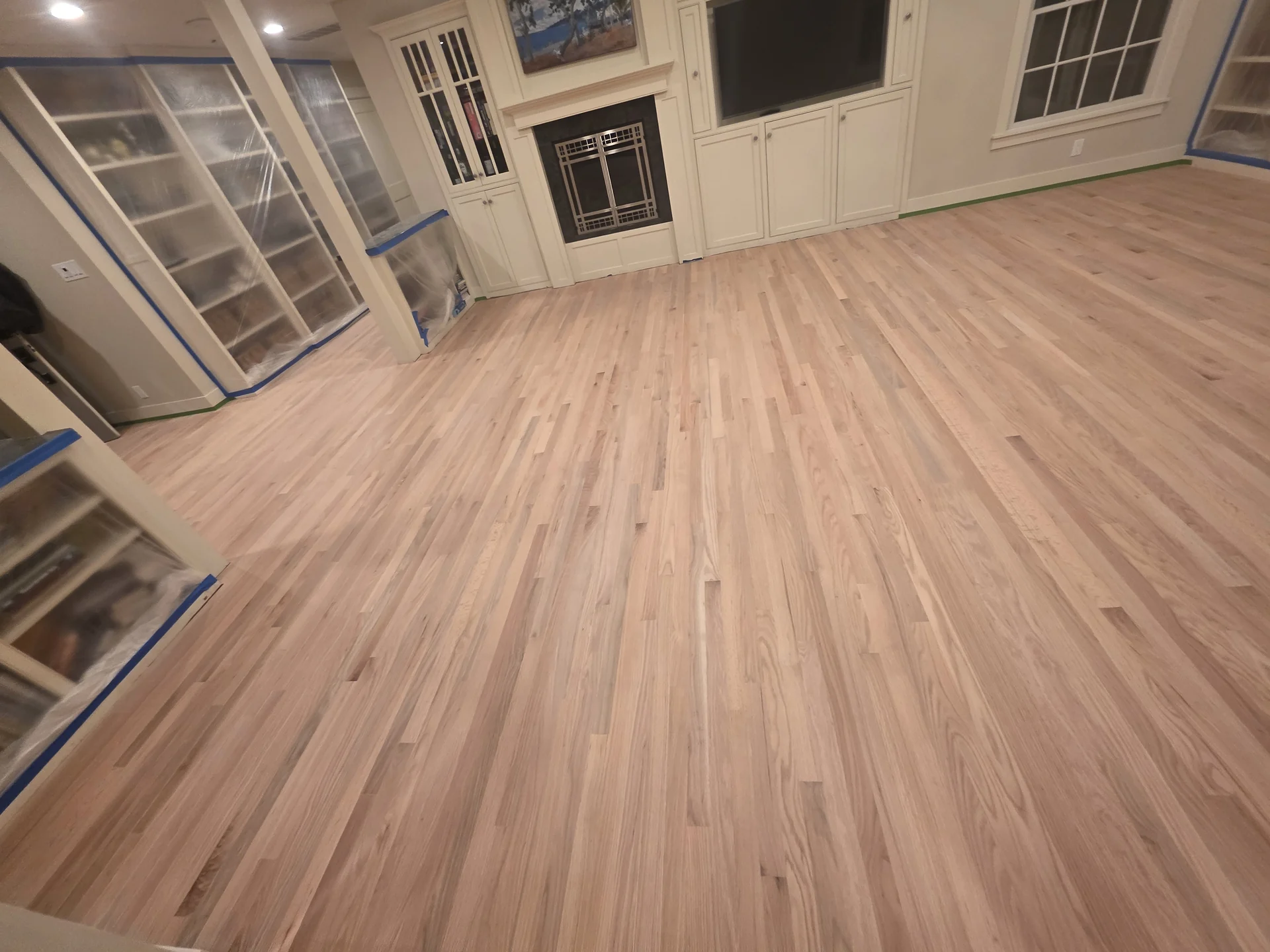
Floor Monkeys Projects
Why Floor Monkeys
| What you get | Floor Monkeys | Typical installers |
|---|---|---|
| License number shown and checkable | ||
| Crew shows up when we say | ||
| Job site cleaned every day | ||
| Moisture test before every wood install | ||
| We move your furniture and move it back | ||
| 1-year workmanship warranty in writing | ||
| Owner personally checks every job |
Your Flooring Project
We lift an agreed carpet edge and check oak wear, thickness, and repair clues.
Your quote separates sanding, board repairs, carpet removal, and the selected finish work.
We arrange access and confirm color trials before reserving the refinishing sequence.
Covered belongings and closed work zones help contain dust around the exposed oak.
Our crew repairs strips, sands in stages, and applies the agreed color and coats.
Together we review the oak surface and the return rules for rugs and furniture.
Sanded & refinished Douglas Fir floors from 1958 & gave them new life! Fast, efficient, skilled & professional! I would highly recommend Floor Monkeys! 🐒🐒🐒
⭐⭐⭐⭐⭐ I cannot recommend Kirill and crew from Floor Monkeys highly enough! From start to finish, they were professional, efficient, and truly cared about doing the job right. When the flooring supplier sold me the wrong product, the crew immediately went to pick up the correct materials without hesitation. They moved all of my furniture, leveled the subfloor, installed beautiful new flooring in both of my bedrooms, and then carefully put everything back exactly where it belonged. Their attention to detail, work ethic, and commitment to customer satisfaction were outstanding. It’s rare to find a company that is this ethical, dependable, and professional. The quality of their work exceeded my expectations, and I couldn’t be happier with the results. If you’re looking for a flooring company you can trust, I wholeheartedly recommend Four Monkeys. They earned every one of these five stars!
Kirill, owner of Floor Monkeys, went well-above anything I expected. We met several times, he tested our hardwood floor, made recommendations on how our once beautiful (and not so old) flooring could be brought back to life. The results were amazing! I was so impressed with the time, care, trust, and level of professionalism I experienced from beginning to end. I would recommend Floor Monkeys to anyone who is in need of the best in the industry...
Ready for floors you'll show off?
Free in-home estimate. Written quote. No pressure.
Original oak in East Sacramento needs a careful wear check before refinishing. Carpet can hide both sound boards and old damage, so the right scope follows the wood we uncover.
A covered floor can look rough while still holding useful life. Staple rows, carpet tack holes, and dull finish each tell different stories. Our crew separates shallow wear from damage that reaches through the board. A dark patch may need a repair, while faded finish may sand clean. The goal is to keep sound oak and explain the limits clearly. Room edges matter as much as the broad open center.
A covered floor can look rough while still holding useful life. Staple rows, carpet tack holes, and dull finish each tell different stories. Our crew separates shallow wear from damage that reaches through the board. A dark patch may need a repair, while faded finish may sand clean. The goal is to keep sound oak and explain the limits clearly. Room edges matter as much as the broad open center.
Old strip floors can show several rounds of work in one room. A closet may hold a finish shade that differs from the hall. Doorways may reveal patches from earlier changes to the floor plan. Those clues help us set a sanding depth that respects the wood. Thin edges and exposed fasteners can limit what sanding will safely remove. A careful plan leaves useful wood in place for future wear.
Daily life also shapes the refinishing scope in an occupied older home. Bedrooms, halls, and living spaces may share the same strip floor. Our room map shows which paths close while sanding and coating happen. Pets need a separate route, and large furniture needs a clear landing spot. A full room plan makes the work easier to live around. The final scope ties those access needs to the floor's actual condition.
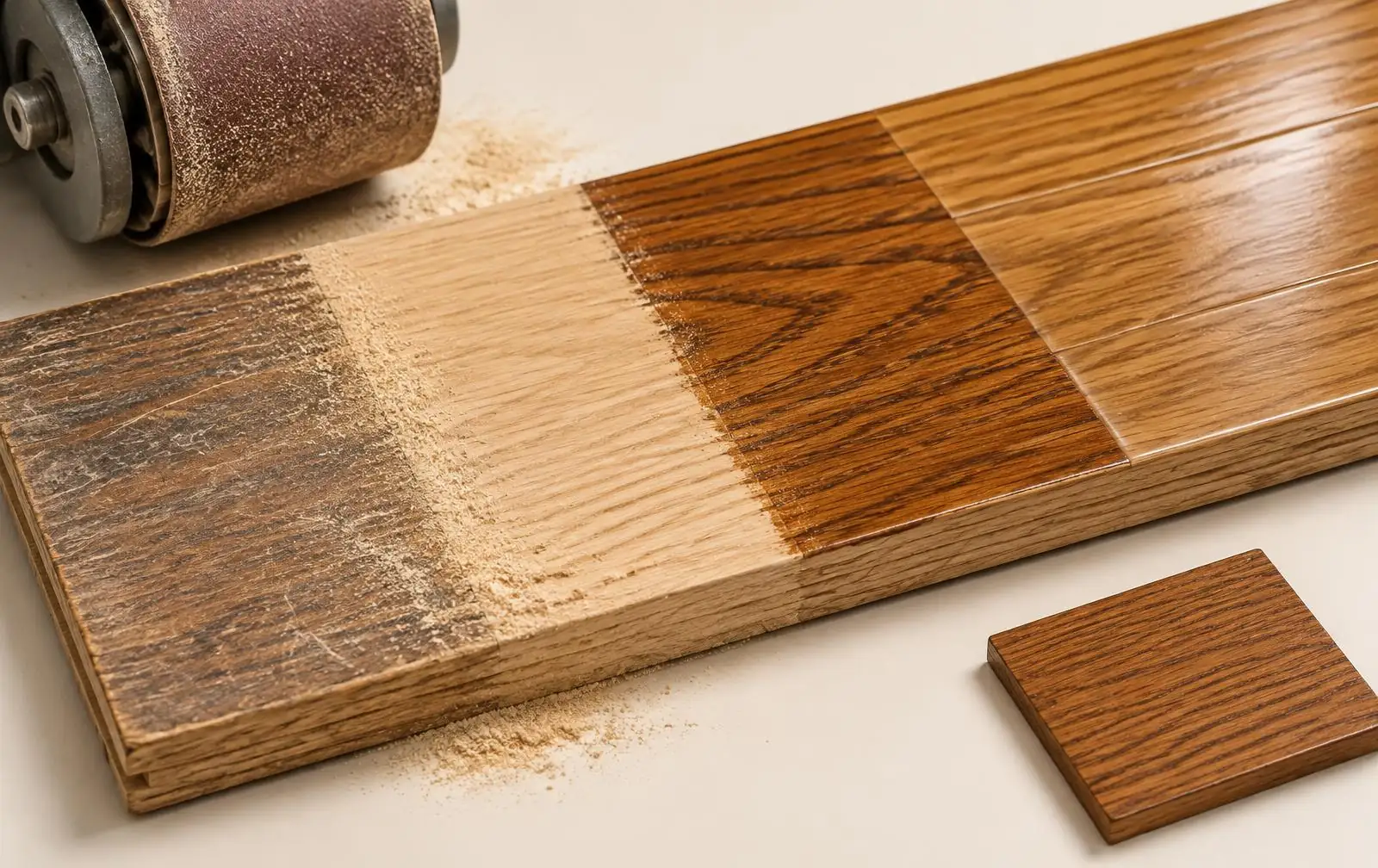
Sanding flat before stain helps older oak take color with fewer streaks. We work through the surface in planned passes, then check edges and repairs before any stain goes across the room.
A floor can feel smooth yet still hold marks from coarse sanding. Stain can make those marks stand out along a bright window wall. The sanding sequence reduces scratches a step at a time across each area. Our crew checks the field and edges together under clear task lighting. A rushed edge pass can leave a dark ring around the room. Even scratch patterns give the color a more balanced place to land.
A floor can feel smooth yet still hold marks from coarse sanding. Stain can make those marks stand out along a bright window wall. The sanding sequence reduces scratches a step at a time across each area. Our crew checks the field and edges together under clear task lighting. A rushed edge pass can leave a dark ring around the room. Even scratch patterns give the color a more balanced place to land.
Flat sanding also involves restraint when old boards have already lost thickness. Low spots may stay if removing them would cost too much wood. Raised board edges need a cause check before the surface gets cut. Moisture trouble can keep changing the shape after a fresh finish cures. We review those conditions before promising a smooth, even result across every strip. Safe limits can matter more than chasing one stubborn hollow near a wall.
Repairs join the sanding plan early so new strips meet old surfaces. Fresh oak can absorb stain in a different way from aged boards. Small color trials reveal that contrast before the final shade is chosen. With those trials, our team can explain which seams may remain easy to see. Dust cleanup follows the last sanding stage and reaches corners and trim edges. Clean wood helps the next coat spread evenly across the prepared floor.
Tap a number to see each part.
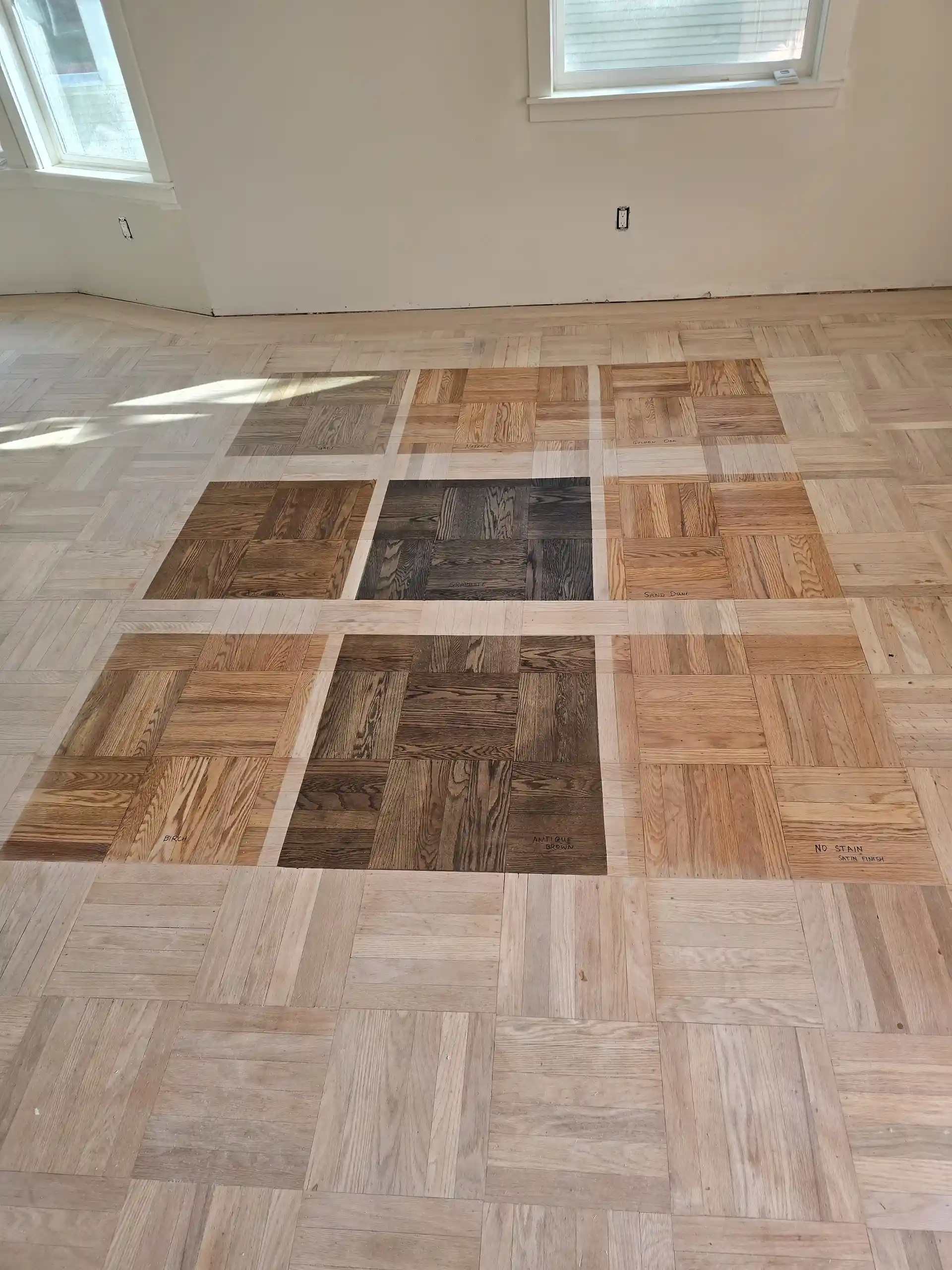
The existing oak sets the starting point for stain and finish choices. A clear coat can keep its grain in view, while a tested stain can shift the room's overall tone.
Natural color often makes sense when the oak has a pleasing range. Pale strips and darker grain can give an older room its depth. A stain sample shows how that range changes under a chosen shade. We place samples where the homeowner can see them beside nearby trim. Morning light may show a different cast from lamps used after dinner. A choice made in the room tends to feel more grounded later.
Natural color often makes sense when the oak has a pleasing range. Pale strips and darker grain can give an older room its depth. A stain sample shows how that range changes under a chosen shade. We place samples where the homeowner can see them beside nearby trim. Morning light may show a different cast from lamps used after dinner. A choice made in the room tends to feel more grounded later.
Sheen changes how a floor shows wear, light, and small surface marks. A lower sheen can soften bright reflections across a broad living space. Higher sheen makes reflected shapes sharper and can highlight uneven spots more clearly. The finish system we propose also needs to fit the home's return plan. Coat type affects drying stages, odor planning, and when rooms can reopen. Those practical traits deserve equal weight with the look of a sample.
Repair wood should suit the strips already running through the house. Width, grain, and thickness matter along with the likely oak species. A close match can still show a seam once the finish goes on. Our repair review makes that chance clear before damaged boards come out. Fill also has limits where gaps move with changes in indoor moisture. Materials chosen for the actual defect tend to hold up more predictably.
Original oak in East Sacramento needs a careful wear check before refinishing.
Refinishing cost in East Sacramento depends on floor condition, repair scope, and access. A carpeted room can hide extra work, so our estimate separates visible needs from items confirmed after exposure.
The amount of finish left on the floor affects the sanding work. Layers along edges can take more care than the worn center path. Staples and tack strips add removal work before the machines can run. Our quote explains how those tasks relate to the measured room area. A large open room may be simpler than several small connected spaces. Closets, narrow halls, and detailed edges all change the labor behind the total.
The amount of finish left on the floor affects the sanding work. Layers along edges can take more care than the worn center path. Staples and tack strips add removal work before the machines can run. Our quote explains how those tasks relate to the measured room area. A large open room may be simpler than several small connected spaces. Closets, narrow halls, and detailed edges all change the labor behind the total.
Board repair can change the scope more than a stain color does. A shallow scrape may disappear while sanding, but a split strip needs repair. Pet marks may reach deep enough to remain after a safe cut. We discuss that possibility before treating stain as a cure for every mark. Matching replacement strips takes time, especially where several widths meet in one room. The written scope should show which repairs are part of the base work.
Finish choices and room use add another layer to the planning discussion. Extra sample areas take work but can settle a difficult color choice. Stairs need separate handling because edges and narrow treads require focused care. Our estimate also addresses who moves furniture and where items will stay. Disposal of removed carpet belongs in the scope when that task applies. A clear breakdown makes choices easier than a single number with vague limits.
For this East Sacramento floor, our written quote separates board repairs from sanding and coat work, where carpet has hidden old oak strips. Our daily cleanup follows the oak edges exposed after carpet removal, keeping grit away from the next stage of work.
Refinishing moves from exposure and repairs through sanding, color, coats, and curing. The usable return date depends on the finish system and room conditions, which we explain before work starts.
The early stage establishes whether the floor matches the first inspection findings. Carpet removal may expose a patch that changes the repair sequence. Loose strips need secure support before sanding can produce a steady surface. Our schedule leaves room to discuss discoveries before the finish stages begin. Wood repairs and color trials each need their own place in the order. Clear decisions early help keep later coats from waiting on an unsettled detail.
The early stage establishes whether the floor matches the first inspection findings. Carpet removal may expose a patch that changes the repair sequence. Loose strips need secure support before sanding can produce a steady surface. Our schedule leaves room to discuss discoveries before the finish stages begin. Wood repairs and color trials each need their own place in the order. Clear decisions early help keep later coats from waiting on an unsettled detail.
Sanding closes the work area while machines and edge tools move through. Dust control reduces spread, but nearby belongings still need planned protection. The last cleanup sets up the bare wood for stain or sealer. A clean path lets us bring coating tools in with less tracked debris. Coat intervals depend on the selected product and the conditions inside the house. Humidity, air flow, and temperature can all affect how the surface dries.
A dry surface and a fully cured finish mark different stages. Light foot traffic may be allowed before furniture or rugs can return. Moving heavy pieces too early can mark a finish that still feels firm. Our handoff explains the return steps for shoes, furniture, pets, and rugs. Connected rooms may need to reopen together so traffic stays off fresh coats. The schedule ends with a usable care plan, not just a final coat.
Original oak in East Sacramento homes can lie hidden beneath carpet for years. Around River Park and Elmhurst, our survey follows that wood through thresholds before setting a sanding plan.
Older oak beneath carpet deserves a room-by-room repair map before sanding starts. We mark dark boards, old patches and thin edges, then review which strips can stay. A clear-finish sample shows the grain without adding a new stain color. We treat that preview as a clue rather than proof of every room. Furniture and rugs can hide patches that need a closer look later. A room survey gives the discussion a sound base before color choices begin. For a project in the Fab 40s, the same careful inspection comes first. The neighborhood name alone says little about the thickness of one floor. Past sanding, water marks, and board repairs vary from house to house. Our records track those details by room so the scope stays specific. An entry may need local repairs while a bedroom needs only full sanding. That distinction helps preserve wood where the damage is limited to one spot. River Park and Elmhurst visits can also include halls that link several rooms. A continuous finish may make those paths feel more settled once work ends. The planning challenge is keeping access clear while each coat dries safely. With our room plan, the homeowner can see which doors remain usable. Closet floors, thresholds, and transitions belong in that same early discussion. Local service starts with the actual floor and ends with clear care guidance.
Older oak beneath carpet deserves a room-by-room repair map before sanding starts. We mark dark boards, old patches and thin edges, then review which strips can stay. A clear-finish sample shows the grain without adding a new stain color. We treat that preview as a clue rather than proof of every room. Furniture and rugs can hide patches that need a closer look later. A room survey gives the discussion a sound base before color choices begin. For a project in the Fab 40s, the same careful inspection comes first. The neighborhood name alone says little about the thickness of one floor. Past sanding, water marks, and board repairs vary from house to house. Our records track those details by room so the scope stays specific. An entry may need local repairs while a bedroom needs only full sanding. That distinction helps preserve wood where the damage is limited to one spot. River Park and Elmhurst visits can also include halls that link several rooms. A continuous finish may make those paths feel more settled once work ends. The planning challenge is keeping access clear while each coat dries safely. With our room plan, the homeowner can see which doors remain usable. Closet floors, thresholds, and transitions belong in that same early discussion. Local service starts with the actual floor and ends with clear care guidance.
East Sacramento Project Questions
Often the oak has useful life beneath the carpet, though each room needs checking. Board thickness, deep marks, and past sanding decide the safe scope.
Small holes may blend after repair and finishing, while deeper damage can stay visible. Our inspection separates likely sanding marks from areas that may need new strips.
A clear finish may suit the natural oak if the exposed boards are sound. Samples on your floor show how the chosen coat affects its tone.
Connected rooms need a clear stopping point if the work is split. Doorways and thresholds help us discuss the visual edge and the access plan.
Related Flooring