“I would highly recommend Floor Monkeys!”
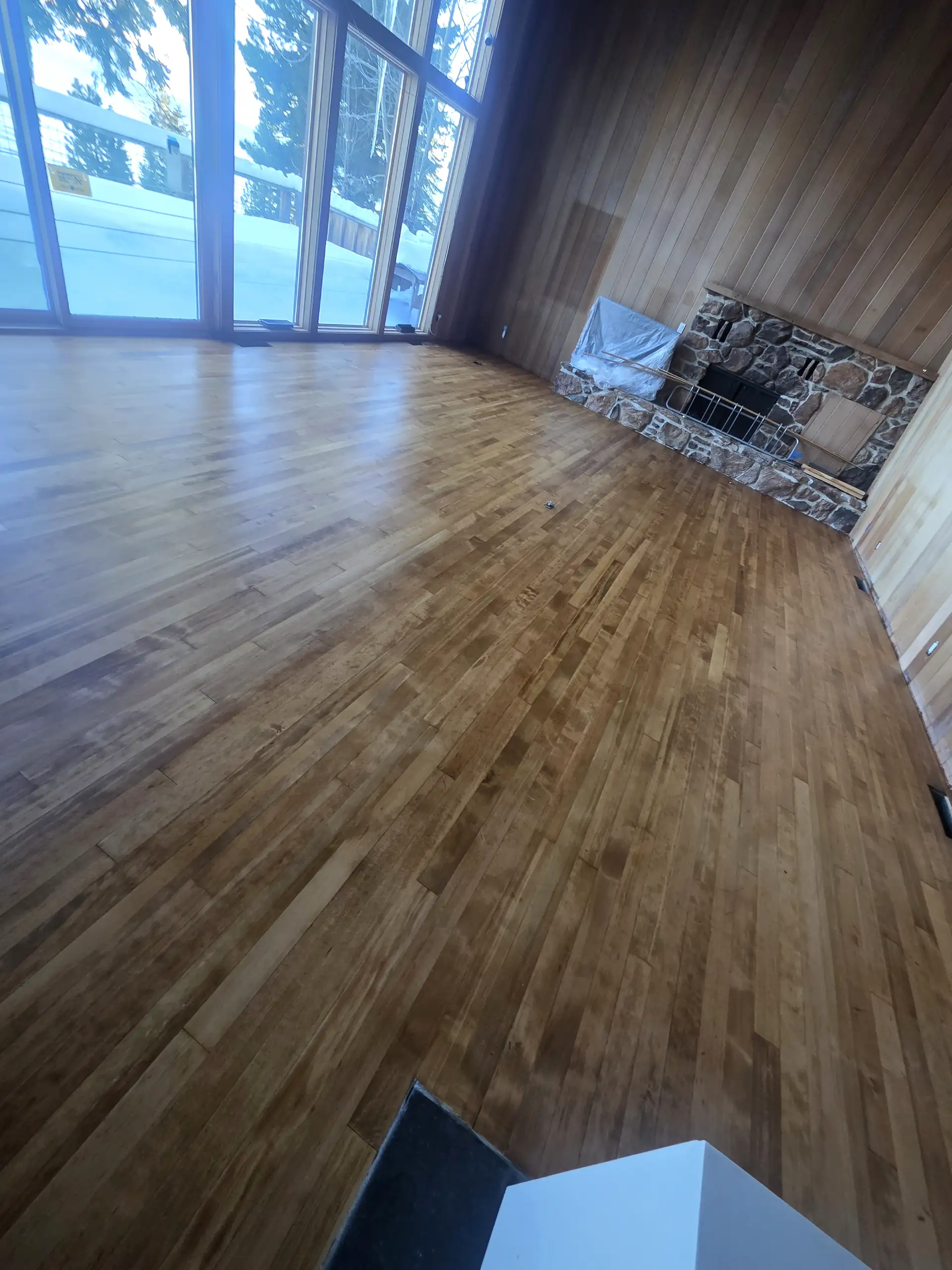
Sanded & refinished Douglas Fir floors from 1958 & gave them new life! Fast, efficient, skilled & professional! I would highly recommend Floor Monkeys! 🐒🐒🐒
El Dorado Hills Flooring
Renewing first wood in large 1990s and 2000s homes, with the existing boards guiding the scope.
Half of El Dorado Hills's homes were built in 2002 or later. Newer homes are often on concrete slab, where engineered hardwood and LVP work well.
Source: U.S. Census Bureau, American Community Survey 5-year estimates, 2024. Updated November 2026.
Your Project
Wear can build slowly across a large house until rooms seem like varied floors. Our El Dorado Hills sanding and coating visit starts with wood depth, face condition, and previous repairs. The right approach keeps sound wood in place and treats the areas that need work.
Full sanding removes the old face where sufficient wood remains. Coats then build a new wearing layer over the prepared boards.
A sound finish may suit light abrasion and a fresh coat. We check wear and bonding risks before recommending that route.
Fresh color starts with sound bare wood and samples on the actual floor. Species and older repairs can affect how each shade develops.
Loose or damaged boards deserve review before sanding begins. Our repair plan distinguishes permanent damage from gaps caused by normal wood movement.
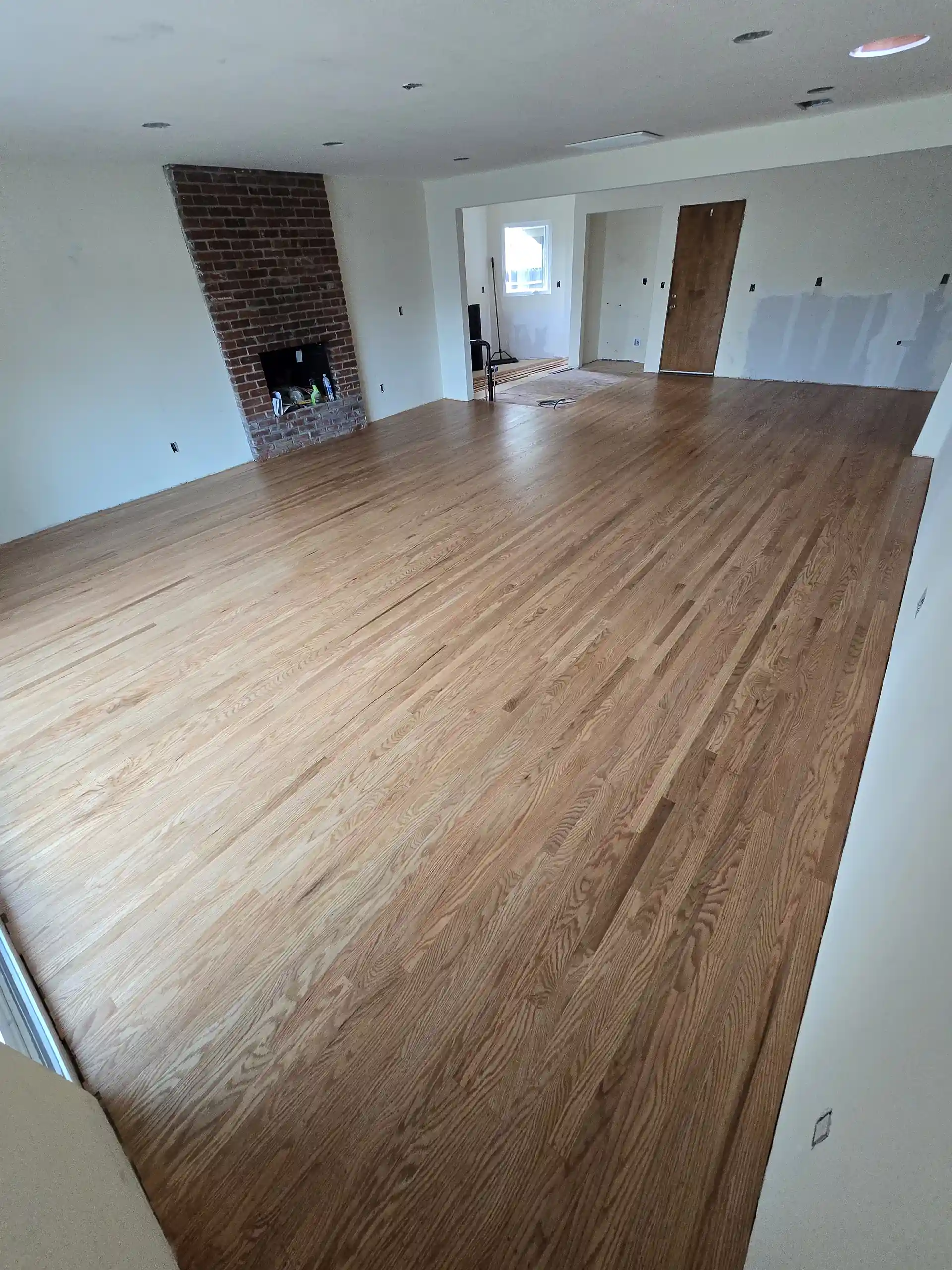
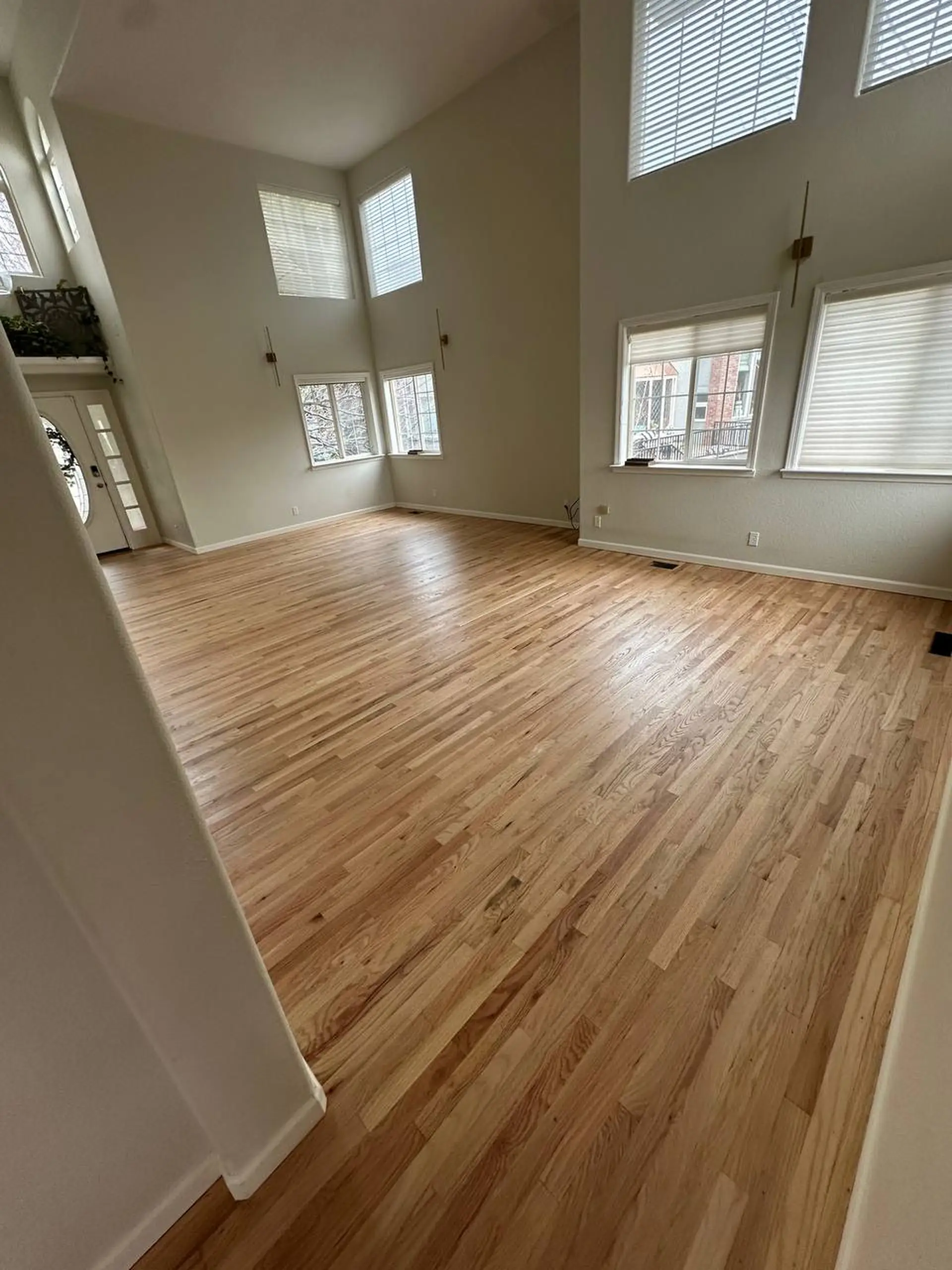
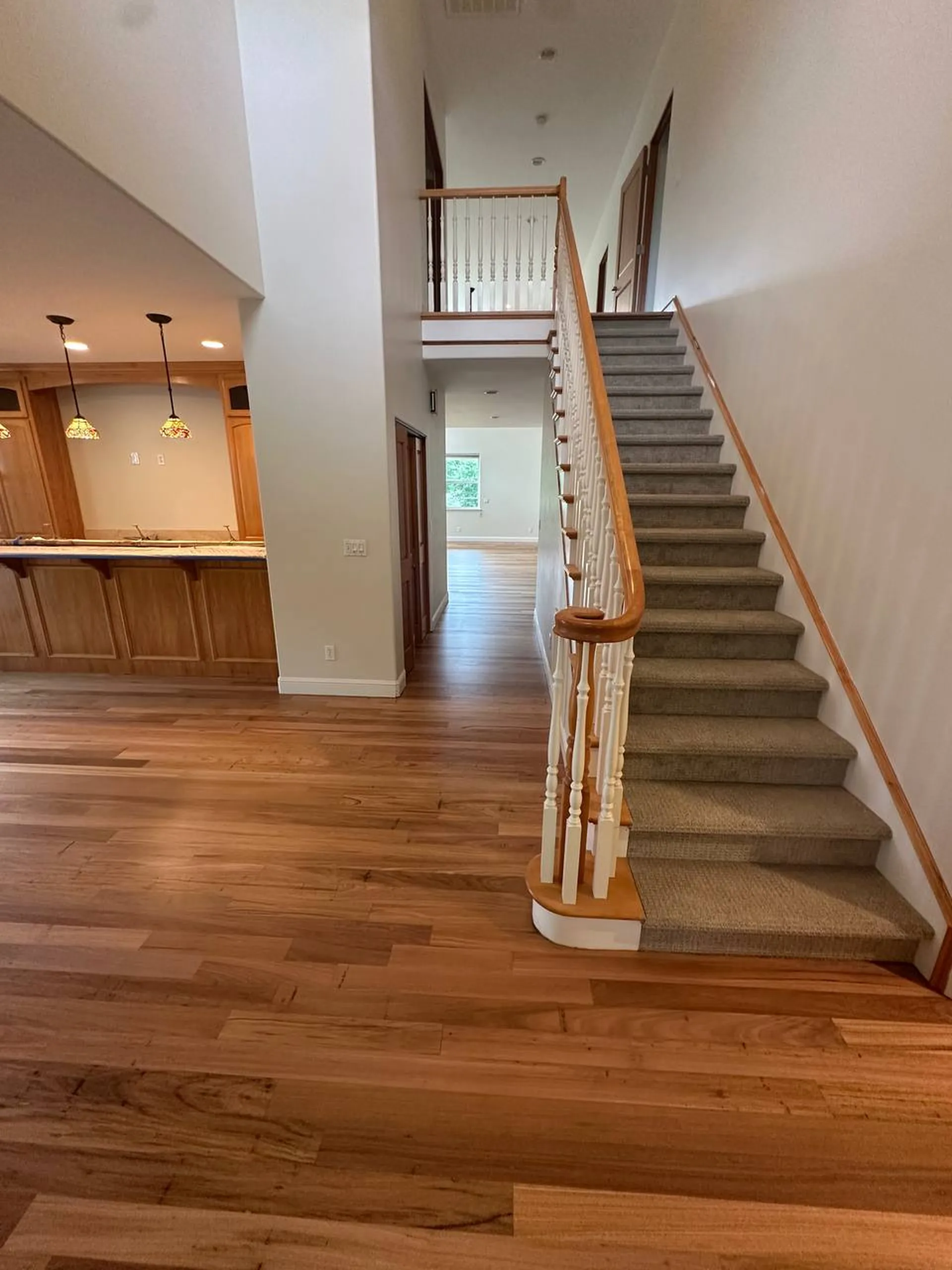
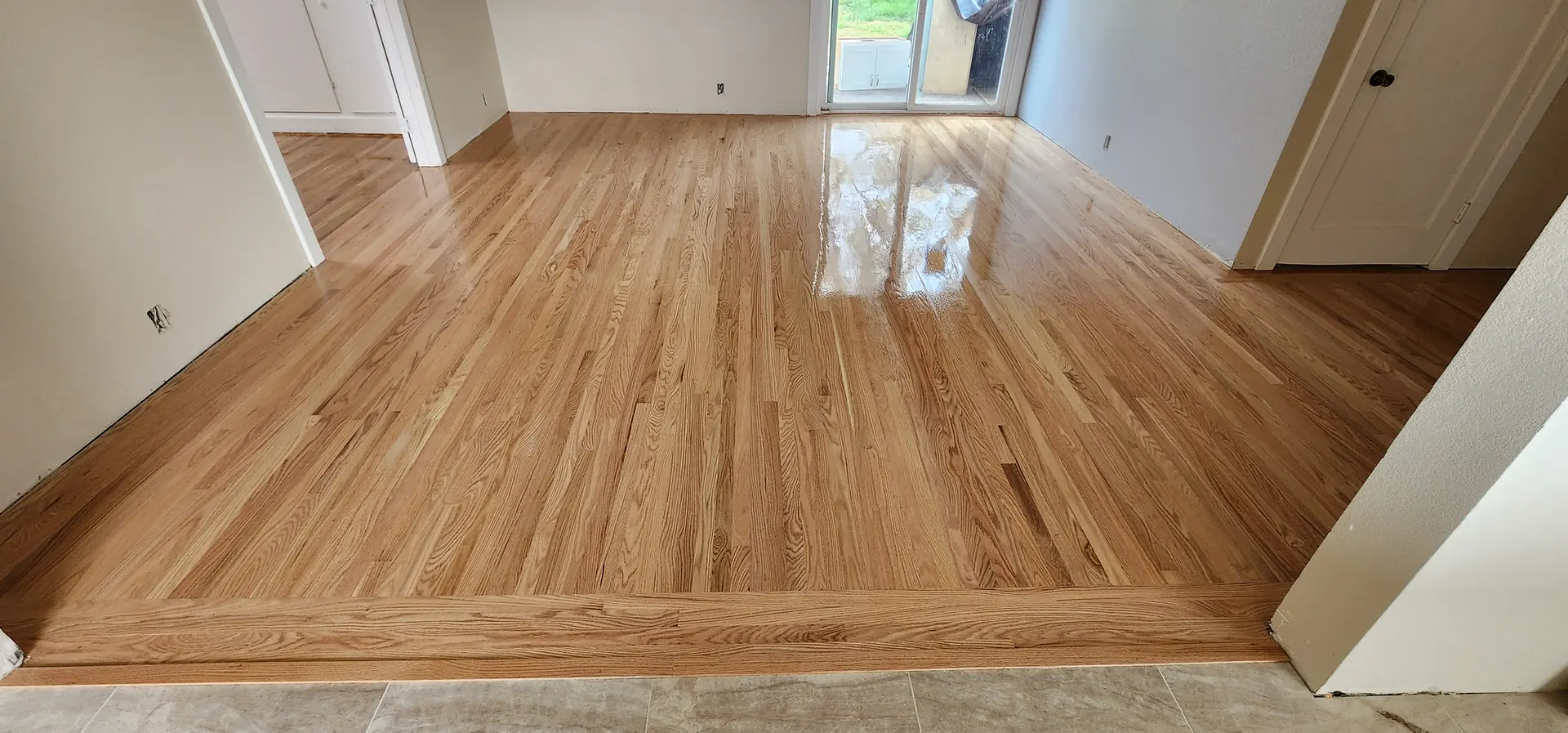
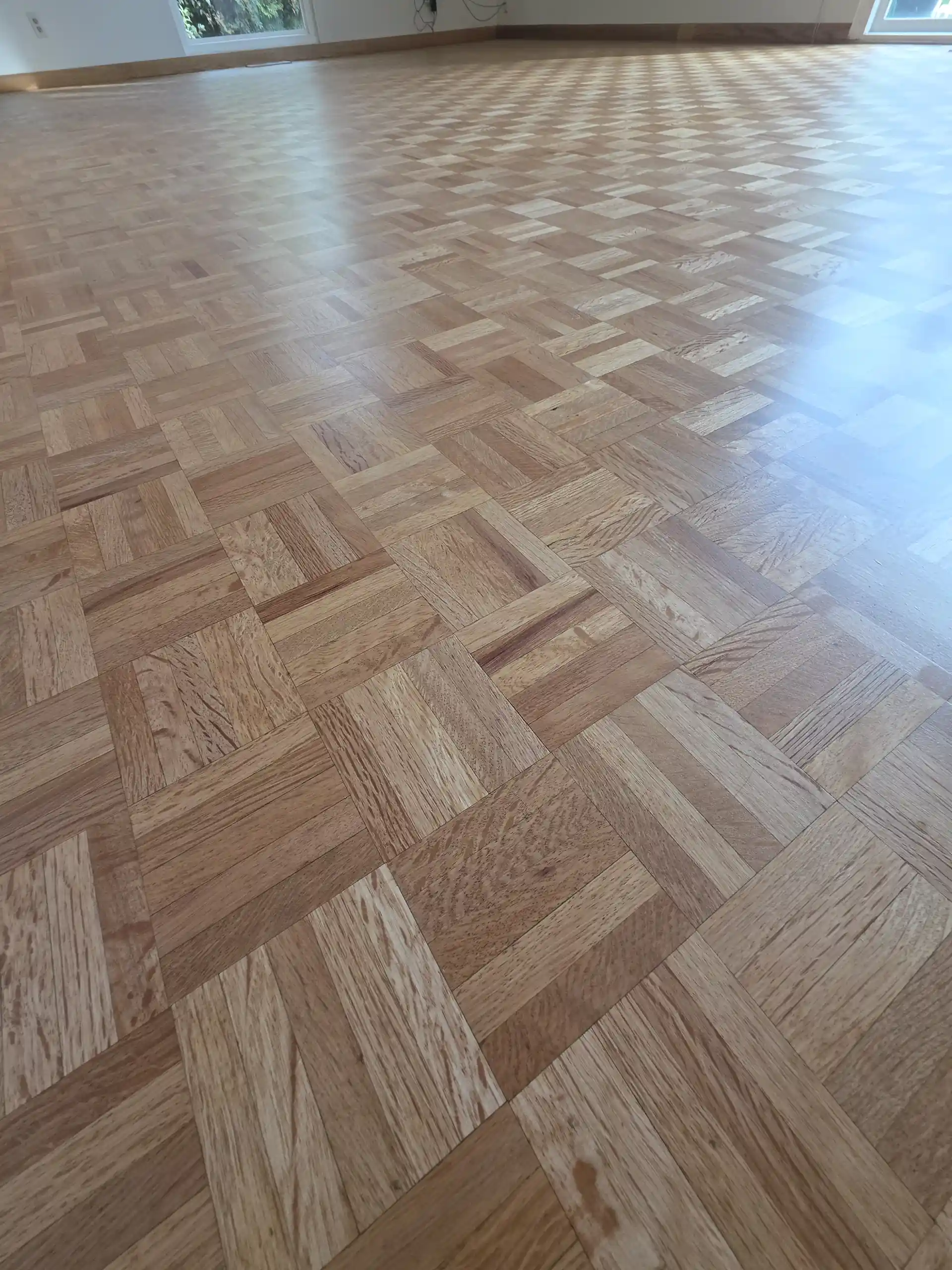
Floor Monkeys Projects
Why Floor Monkeys
| What you get | Floor Monkeys | Typical installers |
|---|---|---|
| License number shown and checkable | ||
| Crew shows up when we say | ||
| Job site cleaned every day | ||
| Moisture test before every wood install | ||
| We move your furniture and move it back | ||
| 1-year workmanship warranty in writing | ||
| Owner personally checks every job |
Your Flooring Project
Our assessment checks wear, build, past sanding, and the boundaries of the planned work.
Repairs, sanding extent, color samples, and coats appear in the written scope.
Dates account for room clearance, wood supply, and the access needed between coats.
Protected edges and dust collection support repairs and base work of the existing floor.
The crew sands within safe wood limits and applies the agreed coating system.
We review the face and explain separate return points for walking, furniture, and rugs.
Sanded & refinished Douglas Fir floors from 1958 & gave them new life! Fast, efficient, skilled & professional! I would highly recommend Floor Monkeys! 🐒🐒🐒
⭐⭐⭐⭐⭐ I cannot recommend Kirill and crew from Floor Monkeys highly enough! From start to finish, they were professional, efficient, and truly cared about doing the job right. When the flooring supplier sold me the wrong product, the crew immediately went to pick up the correct materials without hesitation. They moved all of my furniture, leveled the subfloor, installed beautiful new flooring in both of my bedrooms, and then carefully put everything back exactly where it belonged. Their attention to detail, work ethic, and commitment to customer satisfaction were outstanding. It’s rare to find a company that is this ethical, dependable, and professional. The quality of their work exceeded my expectations, and I couldn’t be happier with the results. If you’re looking for a flooring company you can trust, I wholeheartedly recommend Four Monkeys. They earned every one of these five stars!
Kirill, owner of Floor Monkeys, went well-above anything I expected. We met several times, he tested our hardwood floor, made recommendations on how our once beautiful (and not so old) flooring could be brought back to life. The results were amazing! I was so impressed with the time, care, trust, and level of professionalism I experienced from beginning to end. I would recommend Floor Monkeys to anyone who is in need of the best in the industry...
Ready for floors you'll show off?
Free in-home estimate. Written quote. No pressure.
first wood in a large El Dorado Hills home needs assessment before a sanding and coating route is chosen. Finish wear and wood damage call for varied responses. Our crew checks both before proposing a recoat or full sanding.
Large homes from the 1990s and 2000s can have varied wear across rooms. A kitchen path may look dull while nearby bedrooms still hold their sheen. Sunlight and rug coverage can leave further changes within the same space. We compare those areas as part of one connected floor rather than isolated patches. The scope should explain where work stops and how adjoining faces will meet.
Large homes from the 1990s and 2000s can have varied wear across rooms. A kitchen path may look dull while nearby bedrooms still hold their sheen. Sunlight and rug coverage can leave further changes within the same space. We compare those areas as part of one connected floor rather than isolated patches. The scope should explain where work stops and how adjoining faces will meet.
The age of the house says little about leftover wood thickness today. Earlier sanding or a thin wood face can limit what is safe. An exposed edge may help reveal the build beneath the worn face. Our advice follows that evidence along with board stability and visible repair needs. Useful wood deserves a measured approach before any machine begins removing wood.
A fresh coat suits some sound faces, while deeper wear needs another route. Loose boards and dark marks may require focused repairs before face work. Stain changes also depend on whether the existing coating can be fully removed. We explain those choices in terms of the floor you already own. Renewing its face begins with understanding what can sensibly remain in place.
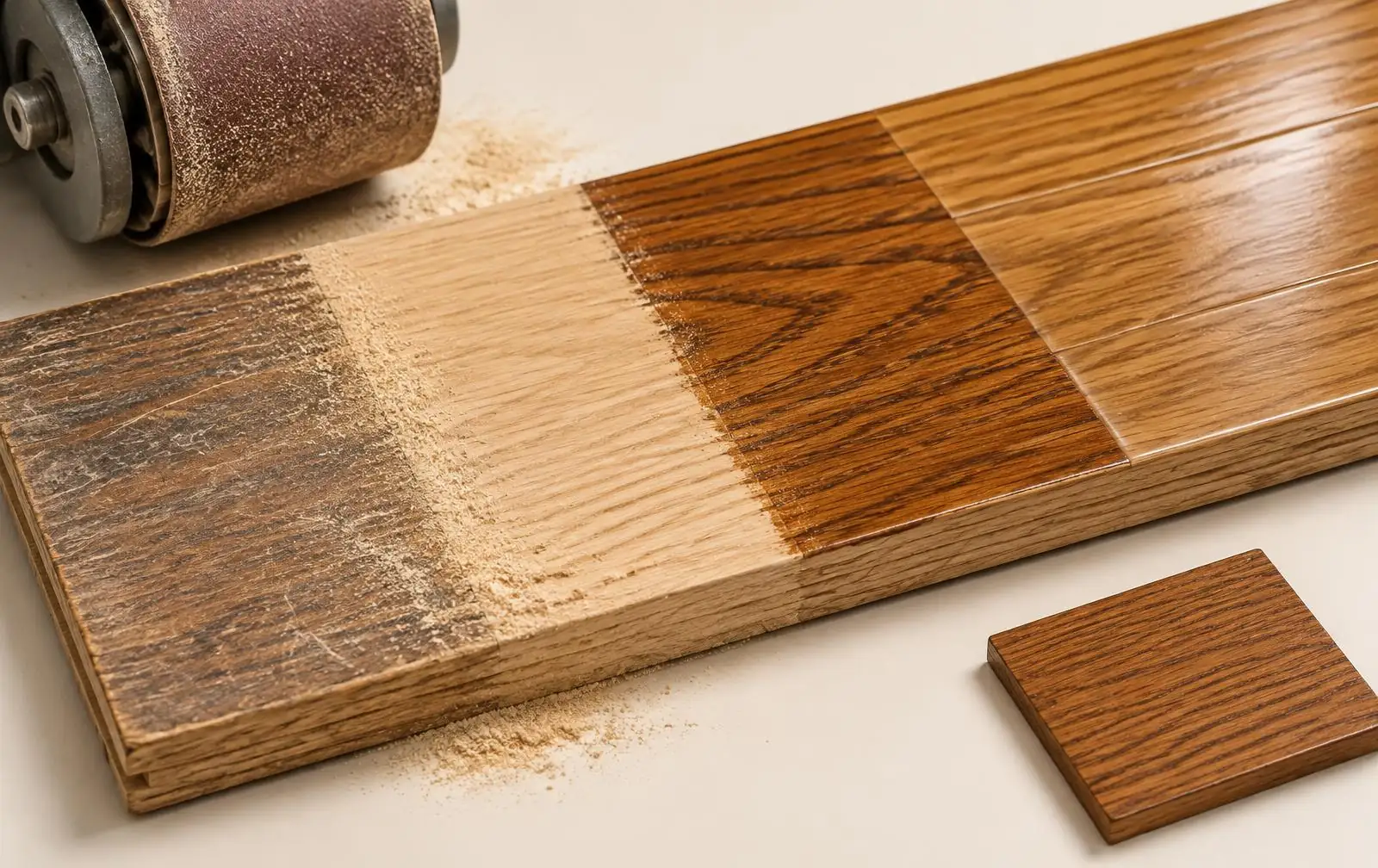
Sanding flat creates an even face for stain and clear coats on existing wood. Scratch marks and uneven passes can remain visible beneath a fresh finish. Our sanding order follows board condition and the chosen final look.
The first task is to judge how much wood the floor can spare. Earlier work may have left thin spots beside edges or between rooms. A machine pass must respect those limits across the full planned area. We review vulnerable places before setting the approach for the main field. Excessive lifting can shorten the useful life of otherwise sound existing boards.
The first task is to judge how much wood the floor can spare. Earlier work may have left thin spots beside edges or between rooms. A machine pass must respect those limits across the full planned area. We review vulnerable places before setting the approach for the main field. Excessive lifting can shorten the useful life of otherwise sound existing boards.
Progressive sanding removes marks left by the earlier, coarser stage of work. Edges need to blend with the broad middle where larger machines pass. Stain can highlight any difference in base work near walls and door openings. Our crew checks that blend before moving to color or clear coats. The result depends on even base work across both obvious and easily missed areas.
Collected dust still needs careful handling and nearby faces need sensible care. Sanding reduces face marks but deeper damage may remain within the wood. A board repair may make more sense for a deep stain in one spot. During our review, we explain those limits before agreeing on a new color or finish. Flat sanding means careful work that keeps as much sound wood as possible in place.
Tap a number to see each part.
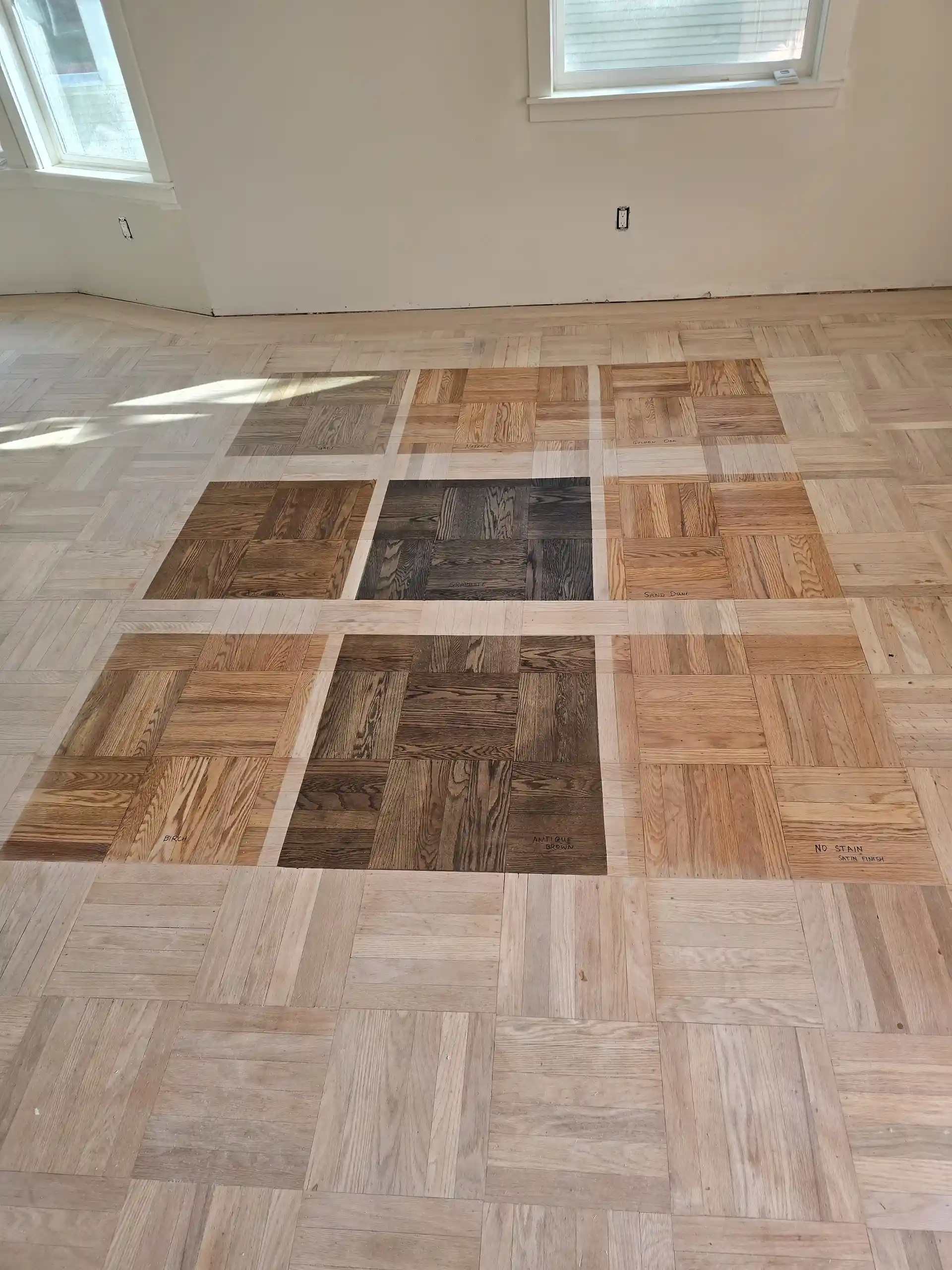
sanding and coating wood and supplies should suit the existing wood, its wear pattern, and your preferred sheen. Color alone gives an incomplete picture of the finished face. Our sample work helps show how coats and stain behave together.
The wood already in place sets the starting point for any change. varied species and earlier repairs can absorb the same stain in varied ways. Even boards within one room may show a range of natural tones. We test the planned look on sound areas of the actual floor. A display sample gives an idea, while the home's wood gives better evidence.
The wood already in place sets the starting point for any change. varied species and earlier repairs can absorb the same stain in varied ways. Even boards within one room may show a range of natural tones. We test the planned look on sound areas of the actual floor. A display sample gives an idea, while the home's wood gives better evidence.
Clear finishes also vary in their look and required care during curing. A lower sheen can soften reflections across long rooms with strong daylight. More gloss tends to make light and face marks stand out sharply. We discuss those effects along with how the chosen finish is used and how it dries. The finish should suit how rooms are lived in after the project ends.
A recoat needs a new product that can bond to the existing face. Past waxes or cleaning products may affect whether that bond is reliable. Testing helps decide if light abrasion is a sound route for renewal. We explain when full lifting offers a more sound path for the floor. The chosen coating system must bond to the floor, even when a new color is the goal.
Our first choice for sound wood is a low sheen clear coat after the worn face is sanded smooth. In a large room, this softens glare and keeps the grain in view. Dark stain is an option for a tone change, but we trial it across both pale and dark boards first.
first wood in a large El Dorado Hills home needs assessment before a sanding and coating route is chosen.
Sanding and coating cost depends on face condition, leftover wood, repair needs, and the chosen finish route. Large connected rooms also affect access and work staging. Our quote separates those tasks so the scope matches the actual floor.
A sound finish needing a recoat differs from wood requiring complete sanding. Deep stains or broken boards can add repairs beyond the usual sanding steps. Removing residue may also change the work needed before coats begin. We assess that wear and residue before describing which treatment fits each part of the house. Concealed findings need review once furniture and coverings leave the work area.
A sound finish needing a recoat differs from wood requiring complete sanding. Deep stains or broken boards can add repairs beyond the usual sanding steps. Removing residue may also change the work needed before coats begin. We assess that wear and residue before describing which treatment fits each part of the house. Concealed findings need review once furniture and coverings leave the work area.
Color changes can involve more sample work than renewing a similar clear finish. Edges, closets, and narrow halls take varied handling from open room centers. Stair work also requires its own scope and a plan for safe access. Our estimate identifies those areas so the measured floor area tells a fuller story. A broad room measurement alone can miss many small but necessary tasks.
Moving furniture and choosing work boundaries influence the base work needed inside the home. Replacing trim or repairing damaged edges can add distinct lines to the quote. Finish choice affects coat work and the time needed between active stages. With those choices clear, we can distinguish essential repairs from elective look changes. The written scope should make the planned result and its limits clear to you.
For this El Dorado Hills floor, our written quote separates board repairs from sanding and coat work, where room light shows wear across a wide floor. Our daily cleanup follows the wide rooms and turns beside fixed cabinets, keeping grit away from the next stage of work, where room light shows wear across a wide floor.
sanding and coating moves through room clearance, repairs, sanding, color work, and protective coats. Drying and curing continue after the active coating work ends. Our timing talk covers both the work order and the return to daily use.
Large homes need space for furniture while connected wood areas are being treated. A safe route to essential rooms may shape where a work boundary falls. Stairs can need special planning when bedrooms sit on another level. We discuss those routes before work dates are settled for the planned scope. Furniture staging should support the finish plan rather than force awkward stopping points.
Large homes need space for furniture while connected wood areas are being treated. A safe route to essential rooms may shape where a work boundary falls. Stairs can need special planning when bedrooms sit on another level. We discuss those routes before work dates are settled for the planned scope. Furniture staging should support the finish plan rather than force awkward stopping points.
Repairs happen ahead of the final sanding that prepares the whole face. Stain samples need review before color spreads across the chosen room area. Coats then follow the product's required intervals and the room air and moisture inside the house. Our crew explains which stages involve active work and which require undisturbed drying. Indoor heat and damp air can affect when the next coat is ready to go on.
Walking in sound footwear differs from replacing heavy furniture or laying rugs down. A face that feels dry may still be gaining its full hardness. Sliding chairs too soon can mark a finish during that early period. At the final review, we explain the product's separate limits for those activities. The household can then plan a gradual return based on the coating actually used.
For El Dorado Hills homes with an HOA, we give you a written scope and product sheets for review, where room light shows wear across a wide floor.
The scope shows the rooms, floor build, and planned work, where room light shows wear across a wide floor. Scheduling follows approval for your address. Gate access and delivery are part of our plan for sanding tools and finish supplies, where room light shows wear across a wide floor. A clear unloading spot keeps the path through the house useful, where room light shows wear across a wide floor. We agree on the carrying route and staging space before supplies arrive, where room light shows wear across a wide floor. The work schedule then fits the approved access hours and the floor’s drying needs, where room light shows wear across a wide floor.
The scope shows the rooms, floor build, and planned work, where room light shows wear across a wide floor. Scheduling follows approval for your address. Gate access and delivery are part of our plan for sanding tools and finish supplies, where room light shows wear across a wide floor. A clear unloading spot keeps the path through the house useful, where room light shows wear across a wide floor. We agree on the carrying route and staging space before supplies arrive, where room light shows wear across a wide floor. The work schedule then fits the approved access hours and the floor’s drying needs, where room light shows wear across a wide floor.
The large homes around Blackstone and Lake Forest give finish sheen a broad field of view. With our room survey, worn paths and quiet corners both become part of the sanding plan.
Large rooms make a change in sheen plain from the doorway. We compare worn paths with shaded corners before choosing a finish sample. Where old repairs cross that view, the trial should include both the patch and the nearby original wood. We examine those meeting points before recommending how far the sanding and coating scope should extend. Useful boundaries can fall at doorways, though the finish must support that choice. Large living areas often make differences in wear visible across one long view. A dull path can sit beside brighter wood once protected by a rug. Treating one small patch may leave a contrast with the surrounding older finish. Our assessment considers that whole view when discussing repair and coating options with you. The aim is a coherent result grounded in the limits of the existing face. Household routines also matter when a few connected rooms share the same first wood. Pets and furniture need sound places while sanding and coat work proceed. Entry steps and upper floors can change the route used for tools. Together, we plan around those daily details before setting the order of the work. Each address receives a scope based on condition, access, and the finish being renewed.
Large rooms make a change in sheen plain from the doorway. We compare worn paths with shaded corners before choosing a finish sample. Where old repairs cross that view, the trial should include both the patch and the nearby original wood. We examine those meeting points before recommending how far the sanding and coating scope should extend. Useful boundaries can fall at doorways, though the finish must support that choice. Large living areas often make differences in wear visible across one long view. A dull path can sit beside brighter wood once protected by a rug. Treating one small patch may leave a contrast with the surrounding older finish. Our assessment considers that whole view when discussing repair and coating options with you. The aim is a coherent result grounded in the limits of the existing face. Household routines also matter when a few connected rooms share the same first wood. Pets and furniture need sound places while sanding and coat work proceed. Entry steps and upper floors can change the route used for tools. Together, we plan around those daily details before setting the order of the work. Each address receives a scope based on condition, access, and the finish being renewed.
El Dorado Hills Project Questions
That depends on build, leftover thickness, and condition. Our survey checks those points before recommending sanding, recoating, or chosen repairs.
A recoat renews a sound existing finish but leaves the underlying wood color largely in place. A substantial stain change generally calls for base work back to bare wood.
Some marks extend deeper than the safe sanding depth. chosen board replacement may offer a better response when the surrounding wood remains useful.
The coating care steps set the timing for rug placement and furniture return. We explain those stages for your finish because dry-to-touch and fully cured mean varied things.
Related Flooring