“I would highly recommend Floor Monkeys!”
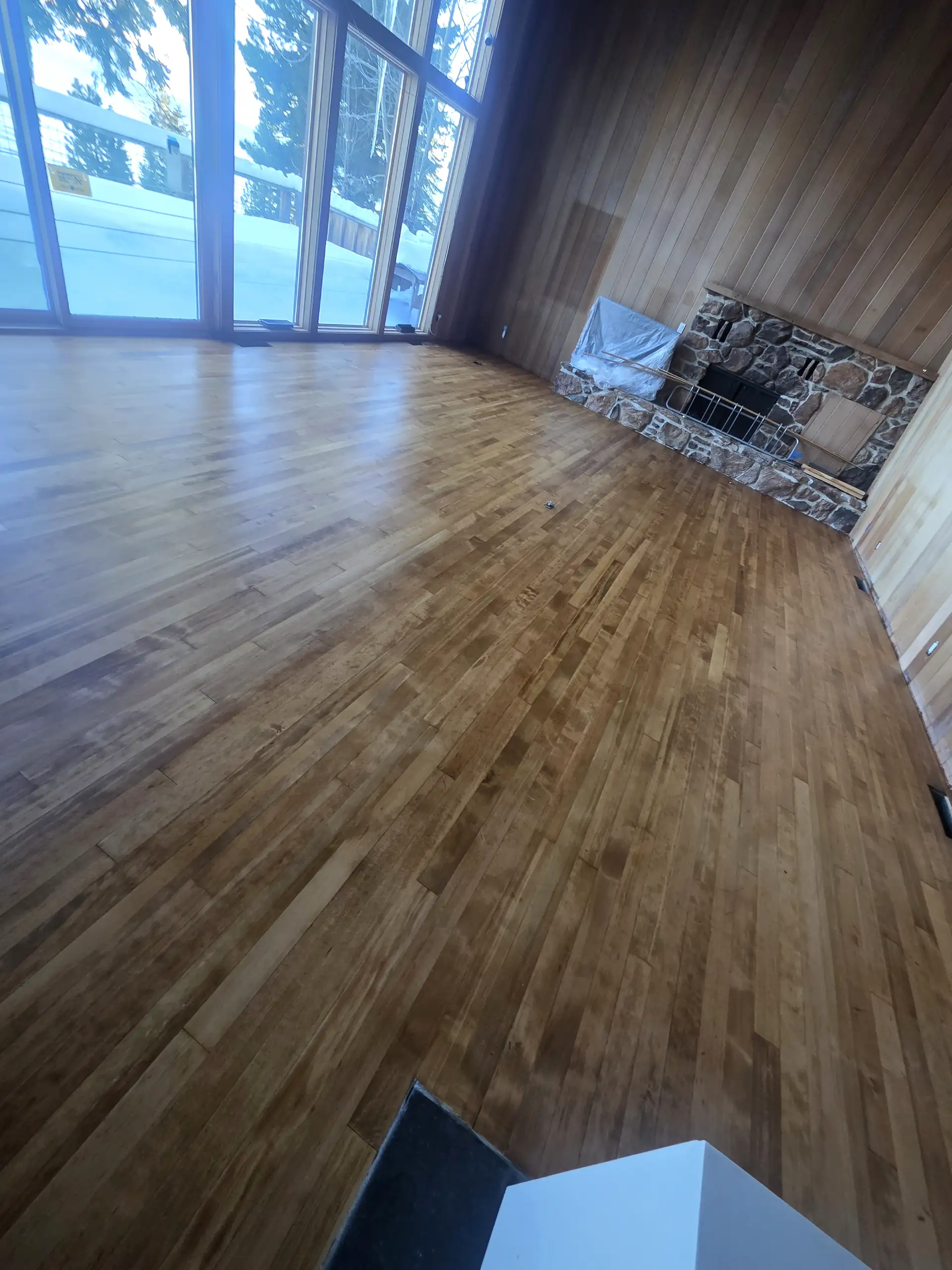
Sanded & refinished Douglas Fir floors from 1958 & gave them new life! Fast, efficient, skilled & professional! I would highly recommend Floor Monkeys! 🐒🐒🐒
Granite Bay Flooring
A fresh surface for worn wood across large rooms, with repairs settled before color.
Half of Granite Bay's homes were built before 1987. Many still have their original floors and are due for an update.
Source: U.S. Census Bureau, American Community Survey 5-year estimates, 2024. Updated November 2026.
Your Project
Wear often stands out where a busy hall meets a quiet room. Refinishing can bring those surfaces back into balance while keeping the wood beneath. Our Granite Bay team checks board depth, old coats, and repairs before recommending a sanding plan.
A full sanding removes the worn coat and exposes fresh wood for color. The remaining wood depth decides whether that route suits your existing floor.
A light abrasion and fresh coat can help a sound, compatible finish. We first check for wear through the surface and signs of products that may block adhesion.
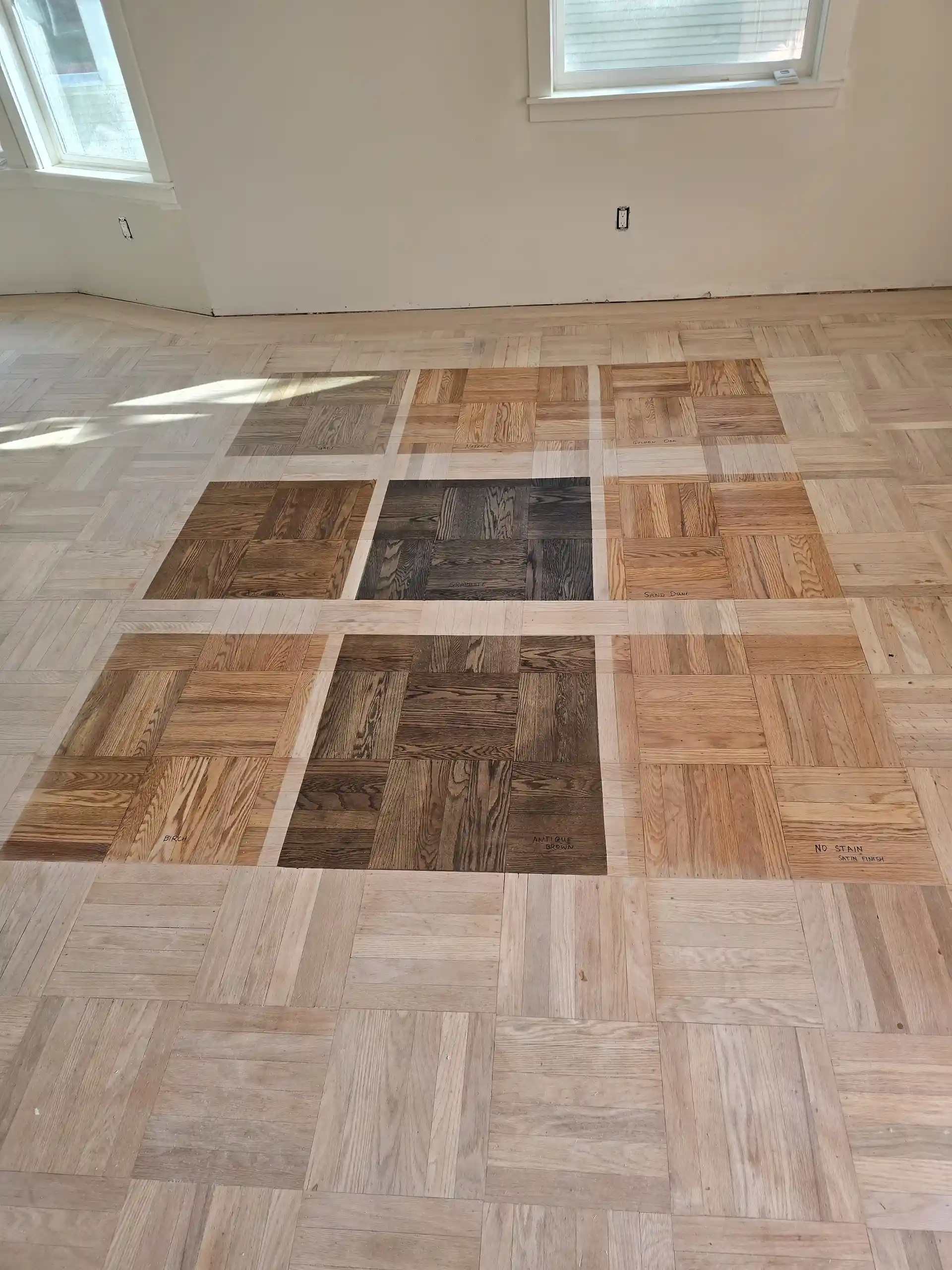
A new tone needs bare wood and a sample judged in your rooms. Grain and earlier repairs may absorb stain differently across the same floor.
Covered oak needs a close look at stains, fastener marks, and usable thickness. The crew checks those details before treating the old wood as a sanding candidate.
Treads and landings need their own finish plan and access sequence. Stair edges can show different wear from the adjoining rooms.
Loose or damaged boards need attention before the surface work begins. We distinguish stable defects from gaps that change with indoor moisture.
Floor Monkeys Projects
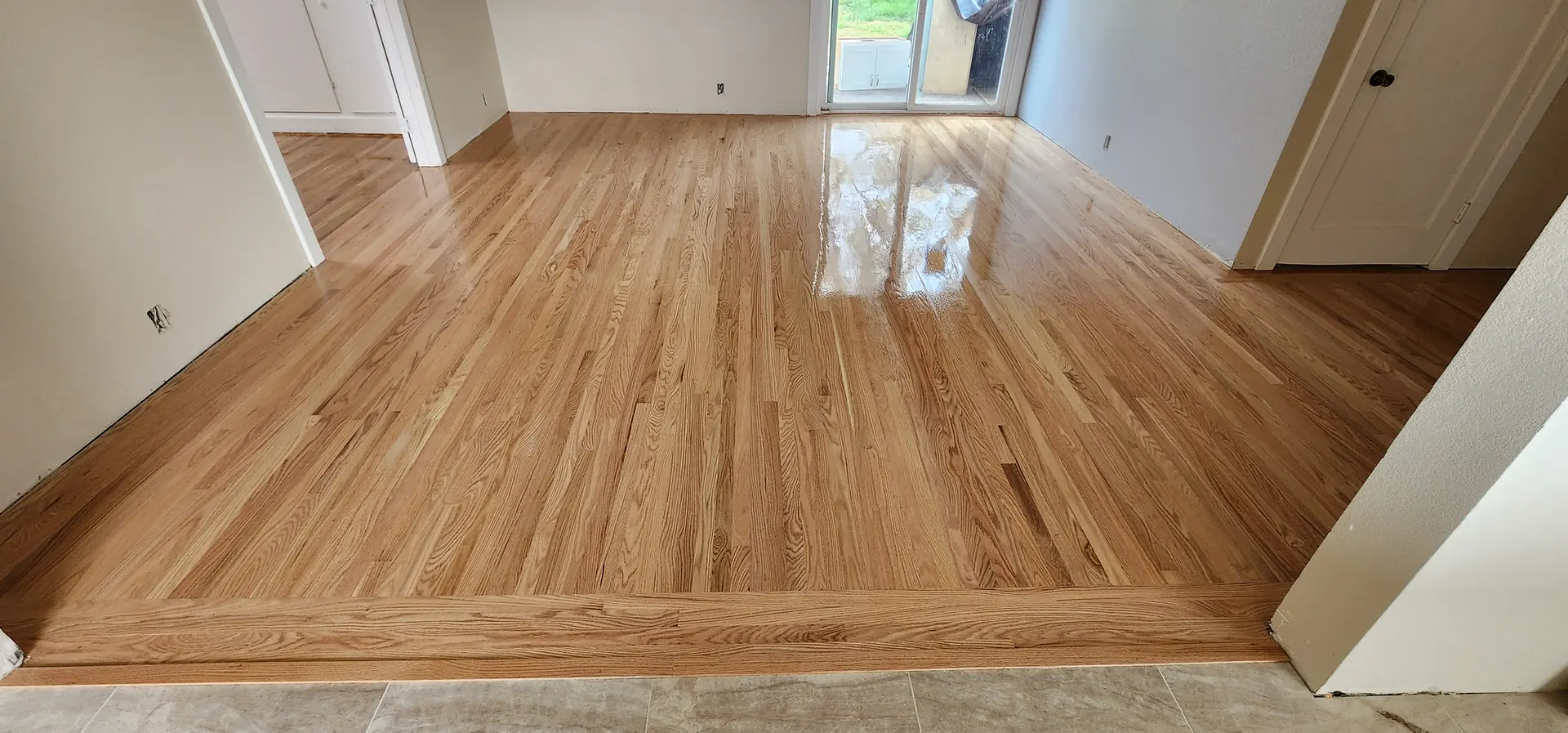
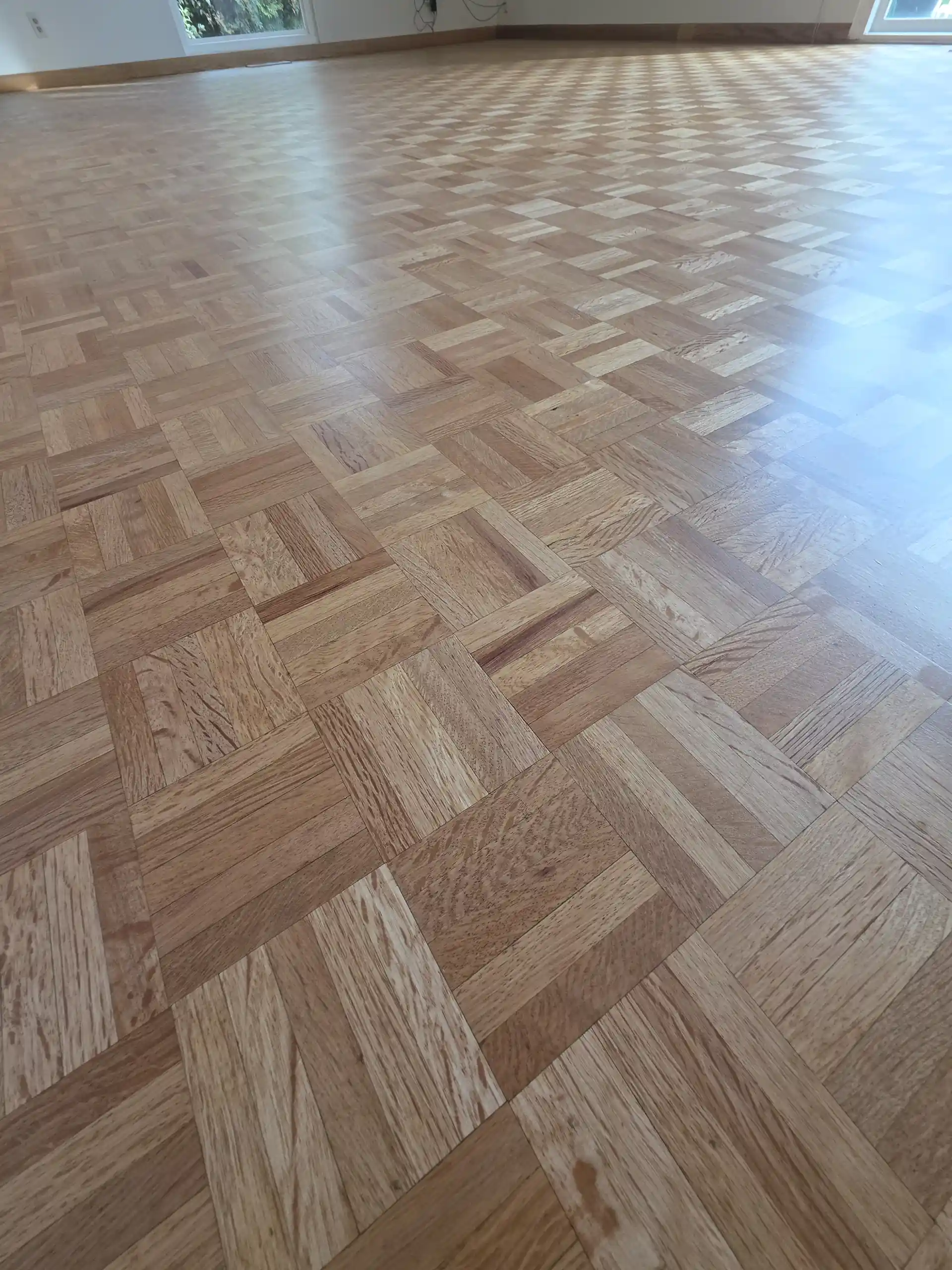
Why Floor Monkeys
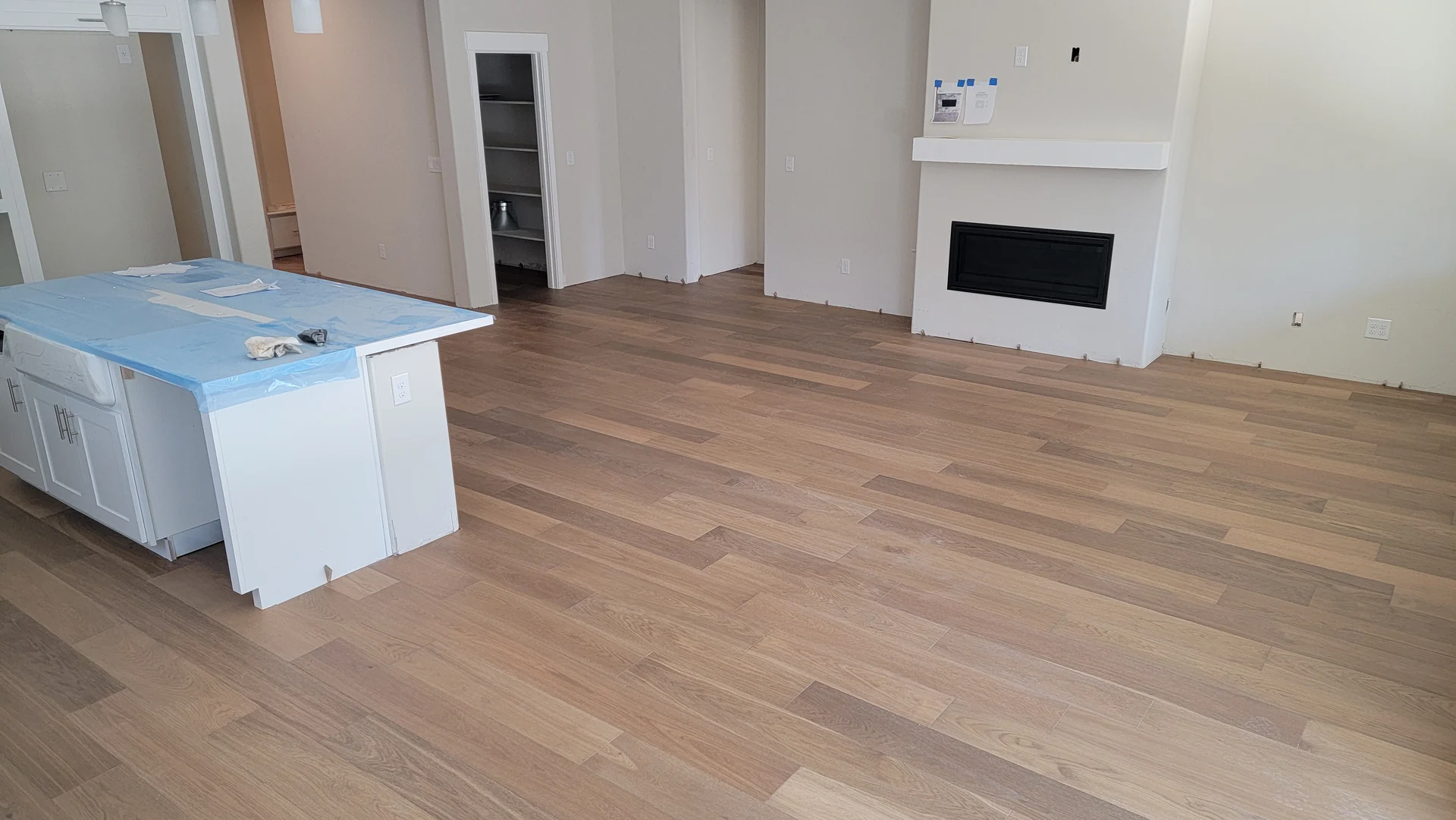
| What you get | Floor Monkeys | Typical installers |
|---|---|---|
| License number shown and checkable | ||
| Crew shows up when we say | ||
| Job site cleaned every day | ||
| Moisture test before every wood install | ||
| We move your furniture and move it back | ||
| 1-year workmanship warranty in writing | ||
| Owner personally checks every job |
Your Flooring Project
We inspect wear and remaining wood depth across the rooms you hope to renew.
Your scope lists repairs, sanding extent, color work, and the selected coating route.
The crew books the project around room clearance, gate entry, and finish supply.
Nearby surfaces receive protection before repairs and dust collection equipment are set up.
Sanding, approved stain, and clear coats follow the needs of your existing wood.
Our review covers the completed surface, furniture return, and routine floor care.
Sanded & refinished Douglas Fir floors from 1958 & gave them new life! Fast, efficient, skilled & professional! I would highly recommend Floor Monkeys! 🐒🐒🐒
⭐⭐⭐⭐⭐ I cannot recommend Kirill and crew from Floor Monkeys highly enough! From start to finish, they were professional, efficient, and truly cared about doing the job right. When the flooring supplier sold me the wrong product, the crew immediately went to pick up the correct materials without hesitation. They moved all of my furniture, leveled the subfloor, installed beautiful new flooring in both of my bedrooms, and then carefully put everything back exactly where it belonged. Their attention to detail, work ethic, and commitment to customer satisfaction were outstanding. It’s rare to find a company that is this ethical, dependable, and professional. The quality of their work exceeded my expectations, and I couldn’t be happier with the results. If you’re looking for a flooring company you can trust, I wholeheartedly recommend Four Monkeys. They earned every one of these five stars!
Kirill, owner of Floor Monkeys, went well-above anything I expected. We met several times, he tested our hardwood floor, made recommendations on how our once beautiful (and not so old) flooring could be brought back to life. The results were amazing! I was so impressed with the time, care, trust, and level of professionalism I experienced from beginning to end. I would recommend Floor Monkeys to anyone who is in need of the best in the industry...
Ready for floors you'll show off?
Free in-home estimate. Written quote. No pressure.
Granite Bay hardwood refinishing should begin with the condition of the existing wood. Large custom homes can have uneven wear between busy routes and seldom-used rooms. Our inspection decides whether a new coat or full sanding fits.
A faded patch beside glass may look different from a worn hall. Both can sit within a floor that still has useful wood. The surface finish, board edges, and old repairs all tell separate stories. We check each room before drawing a line around the work area. That review helps decide whether connected spaces should be finished as one.
A faded patch beside glass may look different from a worn hall. Both can sit within a floor that still has useful wood. The surface finish, board edges, and old repairs all tell separate stories. We check each room before drawing a line around the work area. That review helps decide whether connected spaces should be finished as one.
Many Granite Bay homes were built around 1987 or earlier, across the broad rooms of a custom home. Some owners may have changed a floor several times since the home was built. Other rooms may still hold wood that has seen little surface work. A sanding plan depends on remaining depth, not the age of the house. Our crew looks at accessible board edges to judge that useful reserve.
A custom home's broad rooms put the finish in clear view. Side light can reveal sanding marks that overhead light barely shows at all. Differences in sheen may be most obvious across a long entry view. Homes near Folsom Lake and Douglas Blvd can have quite different floor conditions. We base the scope on the actual wood and how your rooms connect.
Flat, even sanding gives stain a fair chance to color the wood. Old finish, shallow ridges, and repair edges can each create uneven results. Our sanding sequence addresses those faults before a color sample receives final approval.
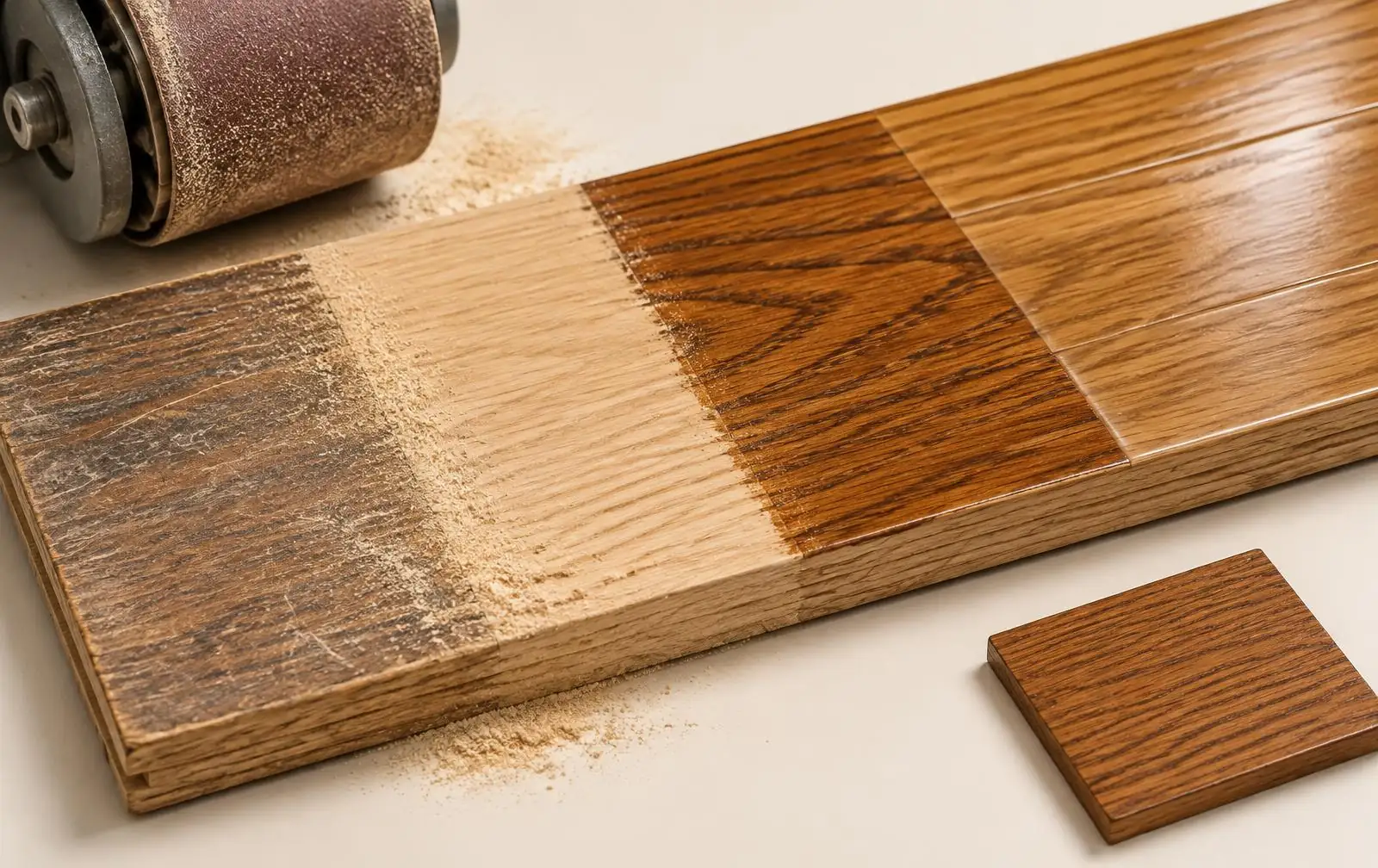
Coarse passes remove worn coats and bring raised areas into better alignment. Finer passes then reduce the marks left by the earlier abrasive. Edges need to blend with the open field, including corners and doorways. The crew works through those stages, using each grit to refine the last pass. Broad rooms make the blend between machines especially important to the final view.
Coarse passes remove worn coats and bring raised areas into better alignment. Finer passes then reduce the marks left by the earlier abrasive. Edges need to blend with the open field, including corners and doorways. The crew works through those stages, using each grit to refine the last pass. Broad rooms make the blend between machines especially important to the final view.
Some marks reach deeper than a safe sanding pass can remove. Dark water damage or a deep gouge may call for board replacement. A thin wear layer may limit how much material can come off. We explain where preserving useful wood matters more than chasing every old mark. The finished floor may retain honest signs of its earlier life indoors.
Dust left on bare wood can interfere with color and coat bonding. Thorough collection and cleaning follow the abrasive work before finish materials come out. A stain sample belongs on wood prepared like the rest of the floor. Our team checks that sample in the room's natural and evening light. Approval at that point gives the coat work a clear direction to follow.
Tap a number to see each part.
Refinishing materials must suit the wood, the old surface, and daily use. Stain changes color, while the clear coat supplies most surface protection. Our choices account for both the desired look and future care in large rooms.
Oak grain can hold color differently from smooth, close-grained wood species. A patch made from a different board may also take stain unevenly. Natural color can be a useful choice when the grain already suits you. Darker tones tend to show pale dust and some scratches more clearly. We compare actual samples before making the final choice for your rooms.
Oak grain can hold color differently from smooth, close-grained wood species. A patch made from a different board may also take stain unevenly. Natural color can be a useful choice when the grain already suits you. Darker tones tend to show pale dust and some scratches more clearly. We compare actual samples before making the final choice for your rooms.
Sheen affects the view as much as the stain beneath the clear coat. A low sheen softens reflections across a broad open floor surface. Higher gloss can make slight surface changes easier to see in side light. Neither choice changes the need for felt pads and routine grit removal. Our care advice follows the chosen finish and its stated cure requirements.
A recoat relies on a clean existing coat that will accept the new material. Old polish or other residue can affect that bond even after cleaning. A test area helps reveal whether the proposed coat will hold well. Full sanding may be more suitable where wear has reached bare wood. The crew makes that distinction before ordering materials for the surface work.
For sound wood in Granite Bay, we favor full sanding when wear has reached the bare grain. A clear, low sheen coat is our first pick when the aim is to keep the wood’s own color. Stain makes sense for a planned tone change, with trials on the actual floor first.
Granite Bay hardwood refinishing should begin with the condition of the existing wood.
Refinishing cost follows the floor's repair needs, sanding limits, and chosen color system. Stairs, tight edges, and connected rooms add labor beyond the measured area. Our estimate keeps surface renewal separate from any board repair work required first.
A floor with loose boards needs a sound repair before the sanding starts. Deep stains may need selective replacement using wood that fits the existing boards. Old fasteners and patches can also slow progress during the first passes. We identify visible issues during the visit and explain what removal may reveal. Hidden defects receive a clear review once the work exposes their full extent.
A floor with loose boards needs a sound repair before the sanding starts. Deep stains may need selective replacement using wood that fits the existing boards. Old fasteners and patches can also slow progress during the first passes. We identify visible issues during the visit and explain what removal may reveal. Hidden defects receive a clear review once the work exposes their full extent.
Changing from a dark stain to a light tone takes careful surface preparation. Color samples require time, especially when several rooms receive very different light. Stair treads add edge work and often need their own access plan. Moving large furniture can create a separate task before any abrasive reaches wood. Our written scope shows which of those tasks are included in the project.
A recoat and a full sand serve different needs, so their scopes differ. The lower amount of sanding makes sense only when the existing coat qualifies. A quote based only on room size can miss that important distinction. Finish products also bring specific coat counts and drying steps to the job. We explain the selected route so the estimate matches the floor's actual condition.
For this Granite Bay floor, our written quote separates board repairs from sanding and coat work. Our daily cleanup follows the long carrying route through broad rooms, keeping grit away from the next stage of work, across the broad rooms of a custom home.
A refinishing schedule depends on repairs, sanding, sample approval, and coat readiness. Connected rooms and stairs can change how the house stays accessible. Our plan includes the time before furniture and rugs can safely return to finished wood.
The first stage clears rooms and sets protection around the active work area. Large custom homes may need a carefully chosen route between occupied spaces. Sanding equipment and dust collection also need safe paths through doors and halls. We plan those movements before the project closes off the main living areas. A stair project needs special thought if upper rooms depend on that route.
The first stage clears rooms and sets protection around the active work area. Large custom homes may need a carefully chosen route between occupied spaces. Sanding equipment and dust collection also need safe paths through doors and halls. We plan those movements before the project closes off the main living areas. A stair project needs special thought if upper rooms depend on that route.
Board repairs must be secure before the sanding passes can create an even surface. Stain approval follows sanding, since an old coated sample can mislead the eye. Each finish coat needs the conditions and drying time its maker specifies. Temperature, air movement, and moisture can all affect when the next stage begins. Our team checks the surface to judge when each new coat can begin.
A floor can feel dry before the finish has reached its full cure. Light foot traffic, heavy furniture, and rugs may have separate return windows. Felt pads help protect the fresh surface when furniture comes back into place. We provide those care points with the selected product's timing at the handover. That final stage protects the work after the tools have left your home.
For an HOA review in Granite Bay, our packet sets out the sanding and coat work. Finish sheets sit beside a room map showing the wood repairs and planned coats. Scheduling follows approval for your address.
Gate access and delivery are part of our plan for sanding tools and finish supplies. An agreed unloading area keeps sanding gear apart from the paths used by your household. Our crew plans a place for machines and a route for finish supplies before arrival. Approved entry hours and drying stages both shape the order of work through large rooms.
Gate access and delivery are part of our plan for sanding tools and finish supplies. An agreed unloading area keeps sanding gear apart from the paths used by your household. Our crew plans a place for machines and a route for finish supplies before arrival. Approved entry hours and drying stages both shape the order of work through large rooms.
The large rooms in this part of Granite Bay make changes in sheen easy to see. A finish trial should include the main view across the floor, as well as a quiet corner.
Broad rooms in custom homes show dull paths beside less worn wood. We compare sheen across that full view before suggesting a recoat or full sanding. Samples belong in both bright spots and shaded parts of the room. We discuss how a fresh surface will meet wood outside the proposed scope. A doorway may offer a useful stopping point when the finish permits it. Large custom homes may combine older boards with wood added during later changes. Repairs should account for board width, grain, and the height of adjacent floors. A new clear coat will still reveal differences that sit within the wood. Samples help set realistic expectations for that blend before the full job proceeds. Our crew treats those findings as part of the design conversation from the start. For gated estates, an estimate also includes the route used to carry sanding equipment. Door widths, steps, and furniture staging can shape a sensible work sequence. A location name alone gives little insight into those practical details indoors. The final scope links your address, floor condition, and selected surface treatment together. We aim to preserve useful wood while giving each connected room a considered finish.
Broad rooms in custom homes show dull paths beside less worn wood. We compare sheen across that full view before suggesting a recoat or full sanding. Samples belong in both bright spots and shaded parts of the room. We discuss how a fresh surface will meet wood outside the proposed scope. A doorway may offer a useful stopping point when the finish permits it. Large custom homes may combine older boards with wood added during later changes. Repairs should account for board width, grain, and the height of adjacent floors. A new clear coat will still reveal differences that sit within the wood. Samples help set realistic expectations for that blend before the full job proceeds. Our crew treats those findings as part of the design conversation from the start. For gated estates, an estimate also includes the route used to carry sanding equipment. Door widths, steps, and furniture staging can shape a sensible work sequence. A location name alone gives little insight into those practical details indoors. The final scope links your address, floor condition, and selected surface treatment together. We aim to preserve useful wood while giving each connected room a considered finish.
Granite Bay Project Questions
A recoat may work when the finish is sound and the new coat can bond. Bare patches, deep damage, or surface residue may point toward full sanding instead.
Some marks reach below the depth that can safely be sanded. We assess whether selected board repairs could improve those areas while preserving the surrounding wood.
A color change usually means sanding back to bare wood throughout the chosen area. Samples show how the actual boards and earlier repairs respond to the proposed tone.
Stairs need a separate access plan because fresh coats limit traffic between levels. Tread condition, edge detail, and product drying requirements guide that sequence.
Related Flooring