“I would highly recommend Floor Monkeys!”
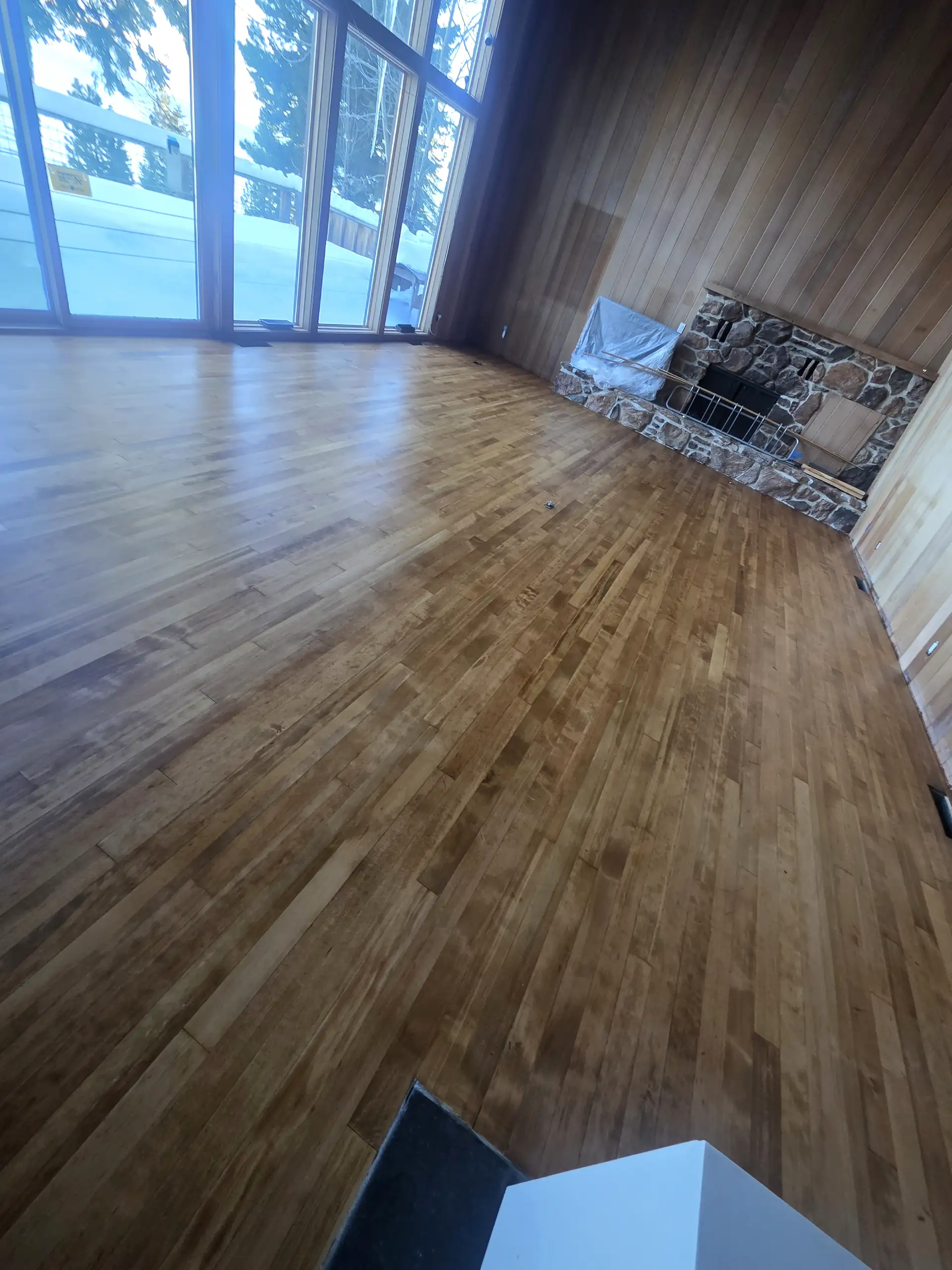
Sanded & refinished Douglas Fir floors from 1958 & gave them new life! Fast, efficient, skilled & professional! I would highly recommend Floor Monkeys! 🐒🐒🐒
Roseville Flooring
A fresh surface for existing Roseville wood, after checking what the boards can safely take.
Half of Roseville's homes were built before 1998. Many still have their original floors and are due for an update.
Source: U.S. Census Bureau, American Community Survey 5-year estimates, 2024. Updated November 2026.
Your Project
An existing wood floor can anchor a whole-home refresh in Roseville. Our crew first checks the wood face, old finish and worn spots. Sanding depth, repairs and the room layout then guide a finish plan built around what you own.
A full sand removes the old coating and exposes fresh wood where thickness allows. Our plan includes the repairs needed before the new finish goes down.
A sound existing finish may suit a light abrasion and fresh topcoat. Bond checks help us decide whether that smaller treatment fits.
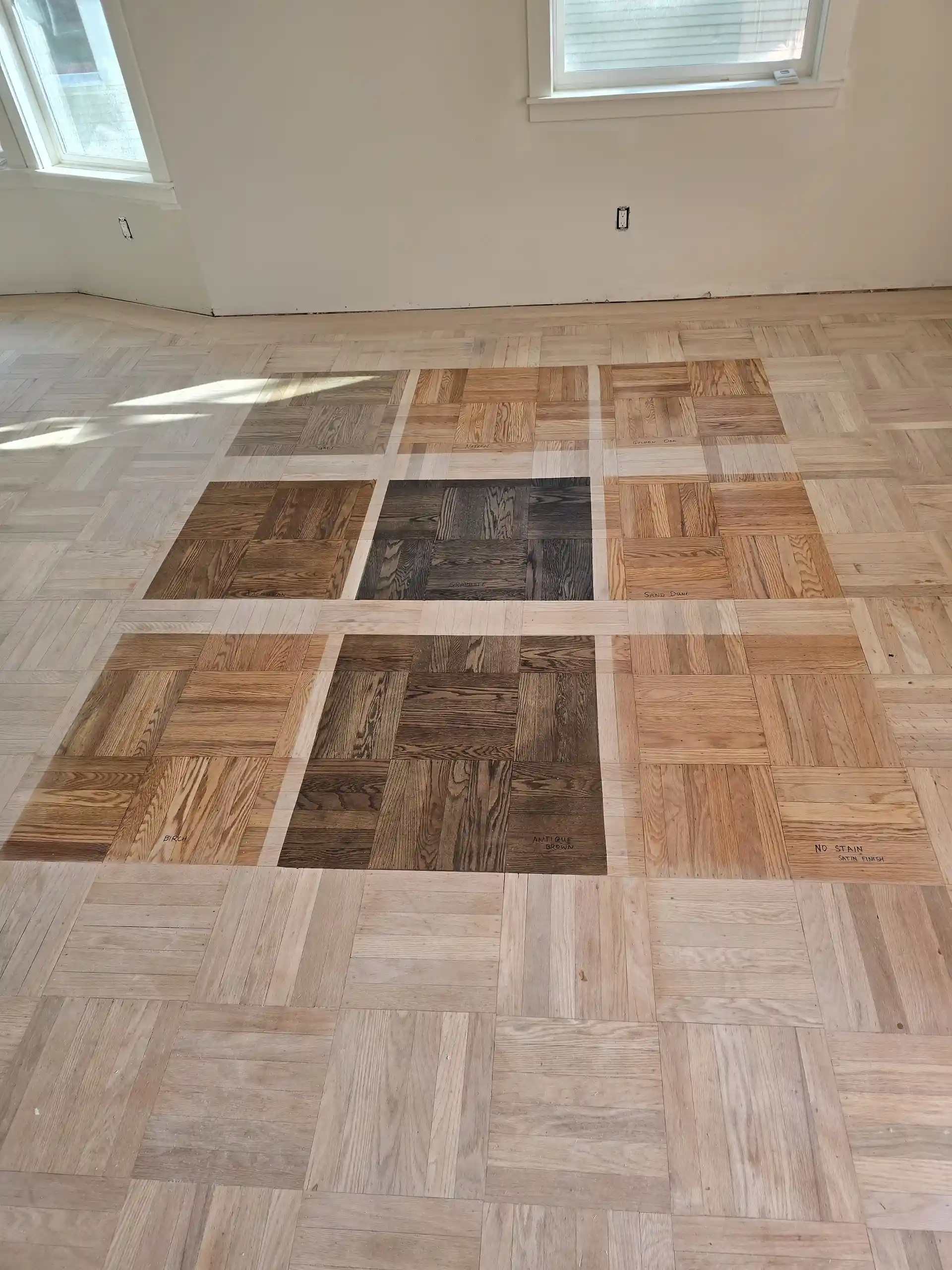
Changing color requires access to bare wood and careful sample testing. Samples on the actual boards show how species, old marks and repairs affect the tone.
Covered oak may be worth saving if enough sound wood remains below. We check fastener marks and damage before recommending a restoration.
Loose or damaged boards need attention before the sanding work begins. We trace the damage first, then mark boards that need repair beside wood worth keeping.
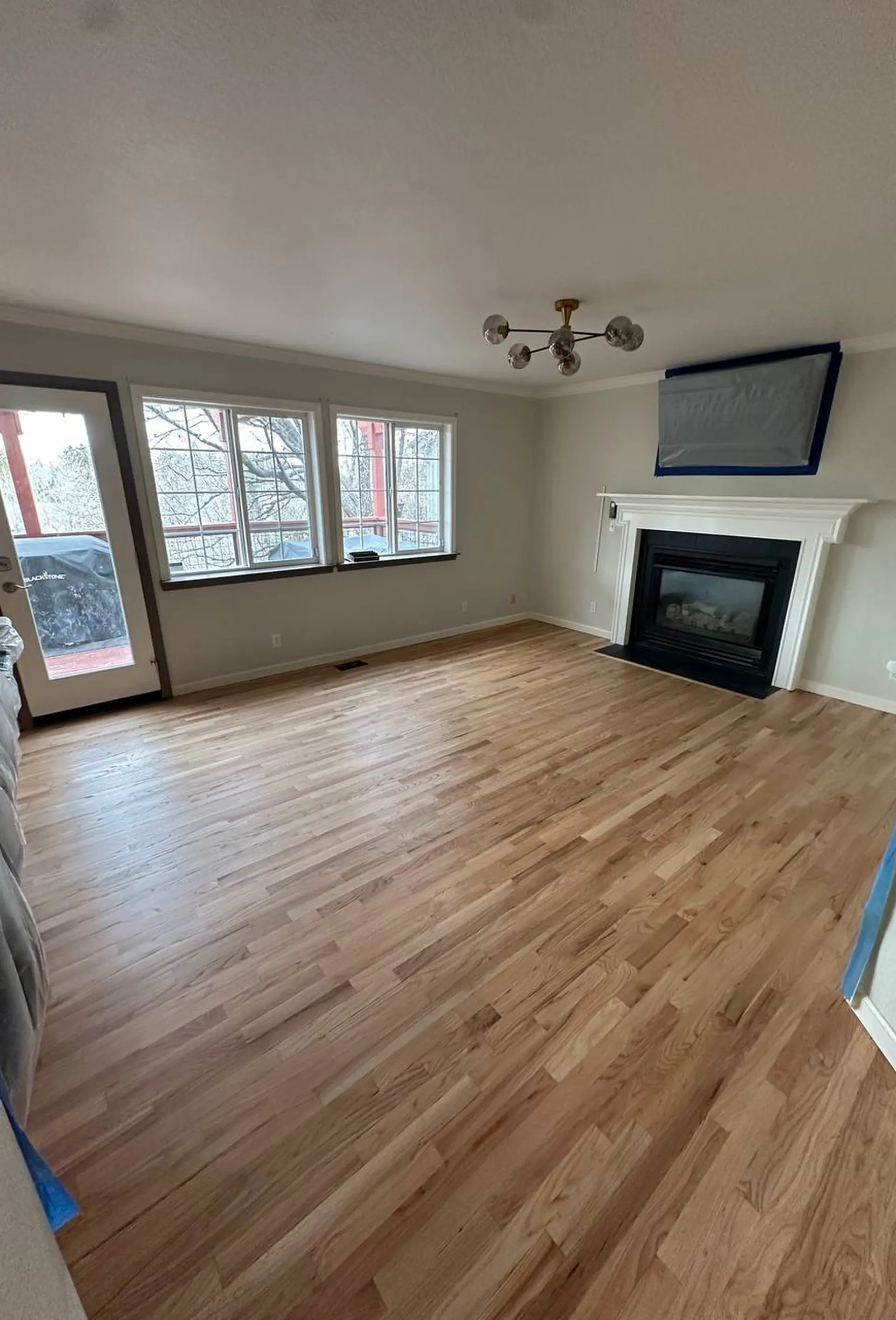
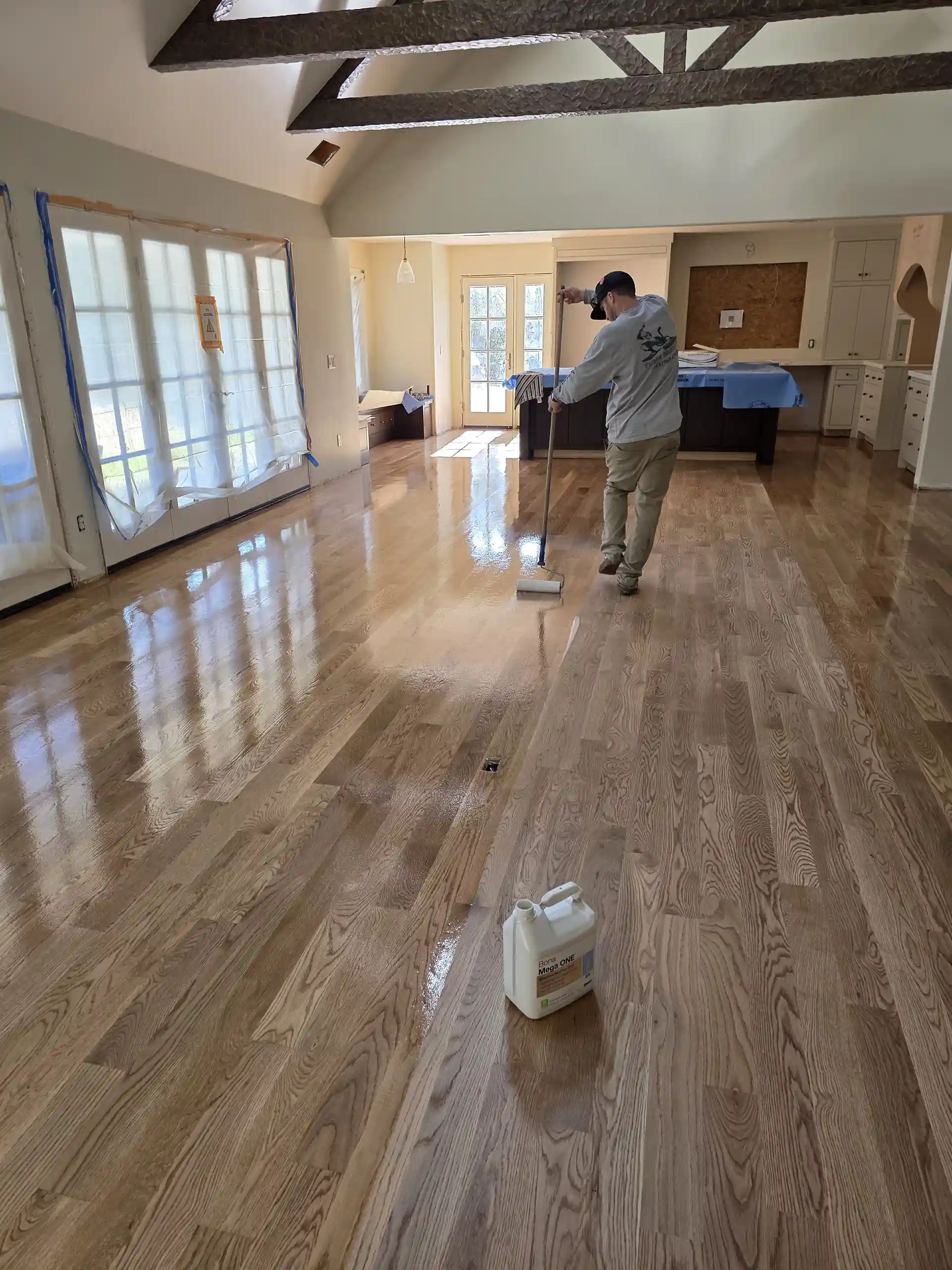
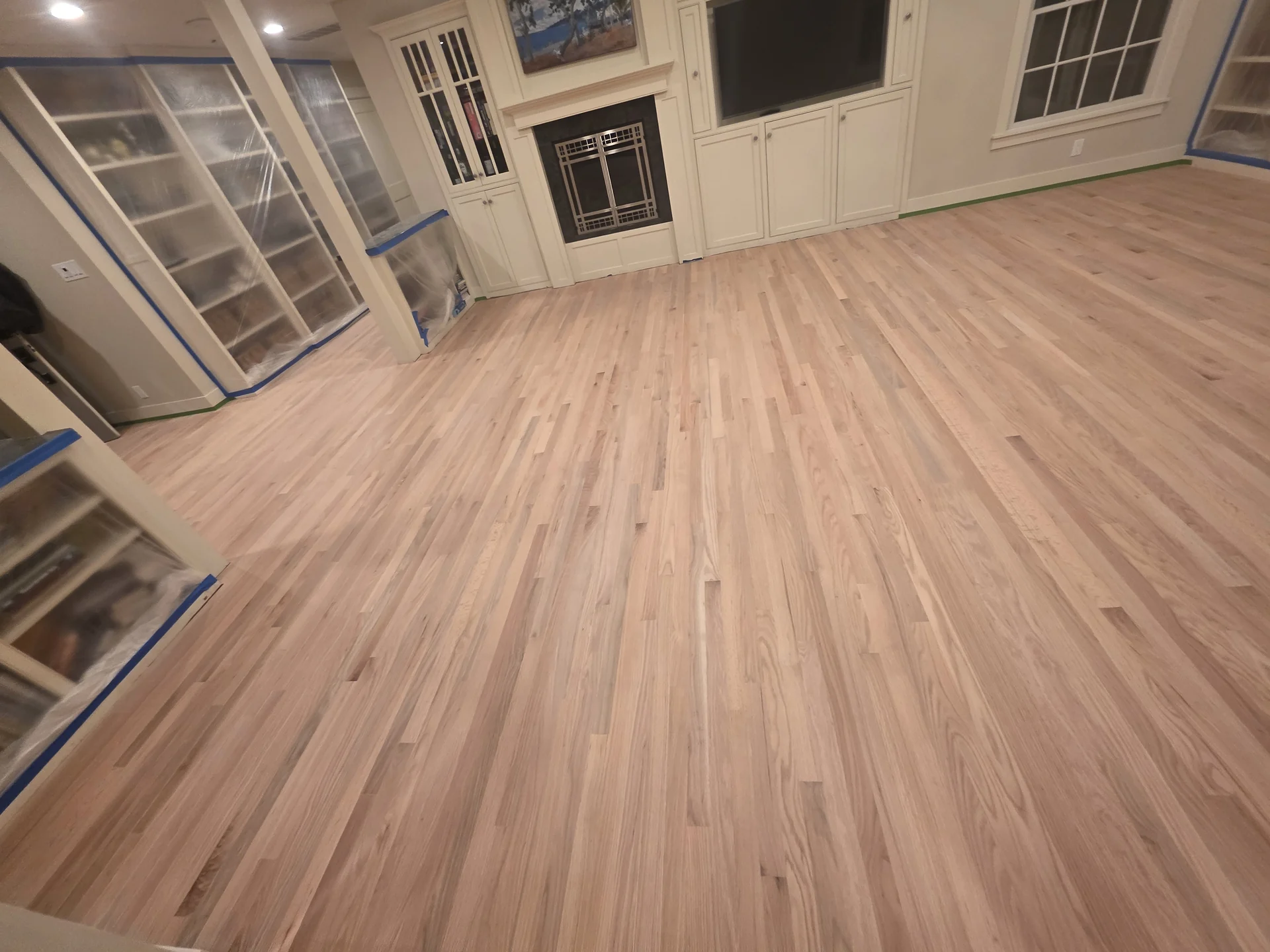
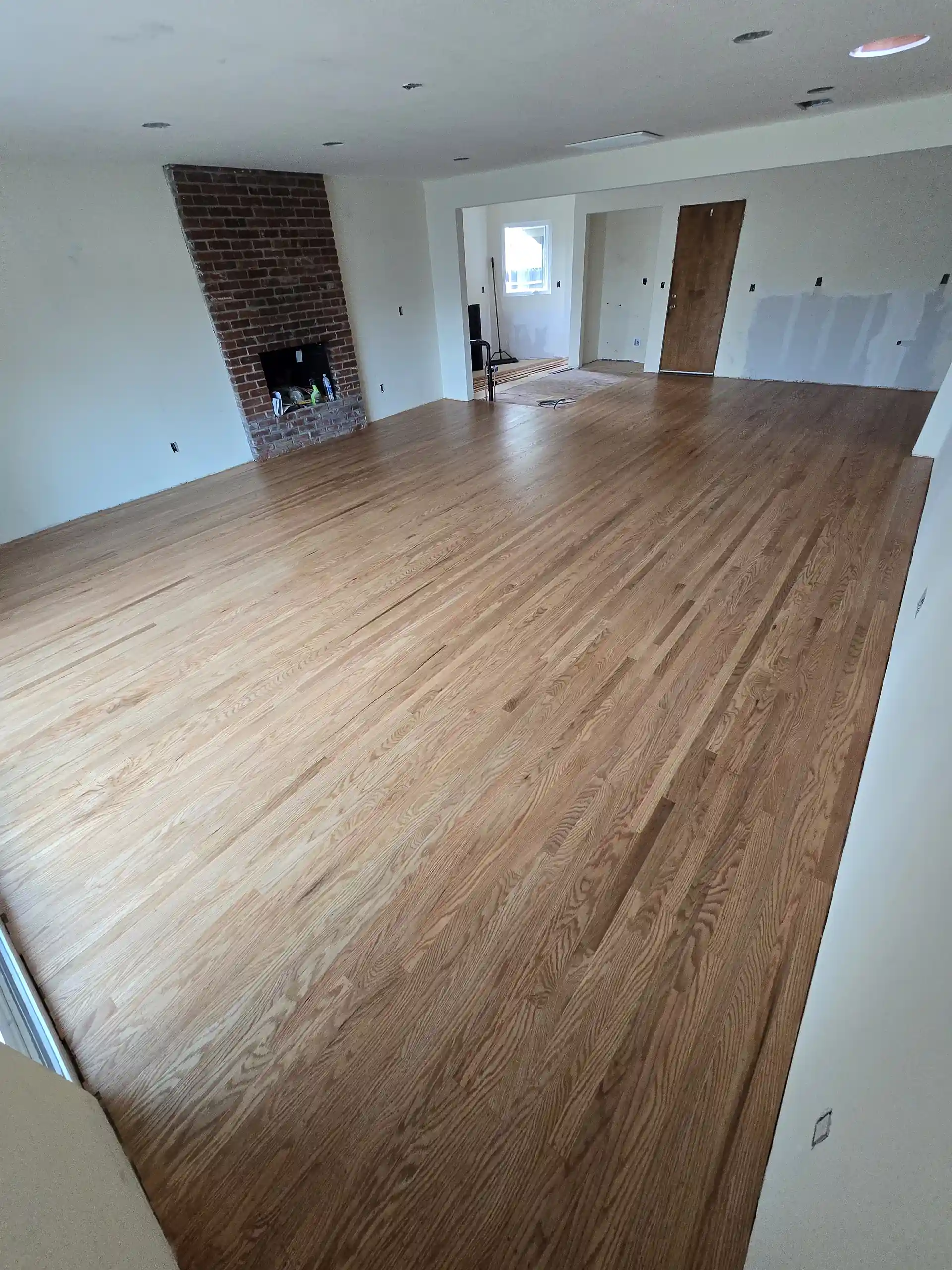
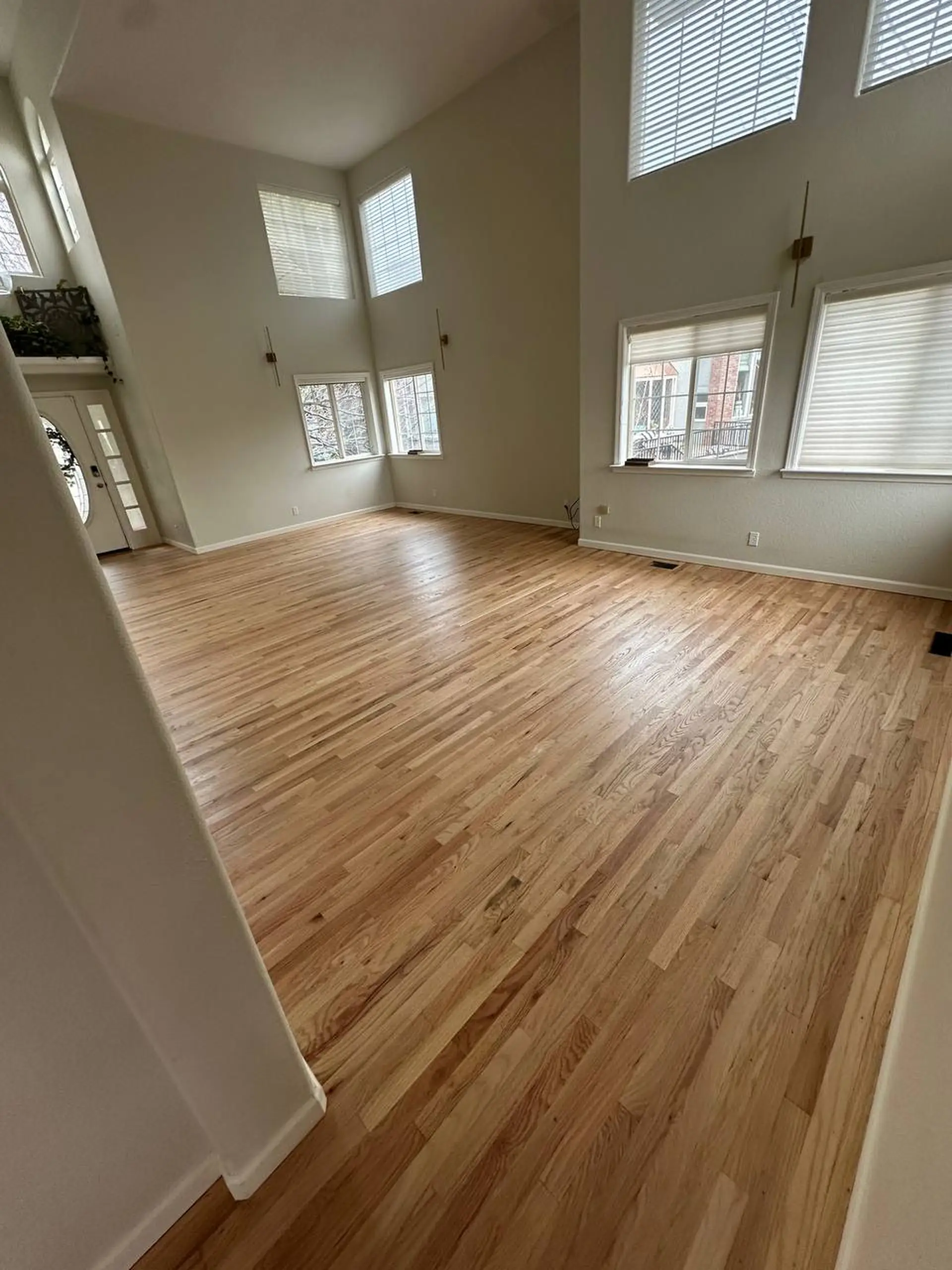
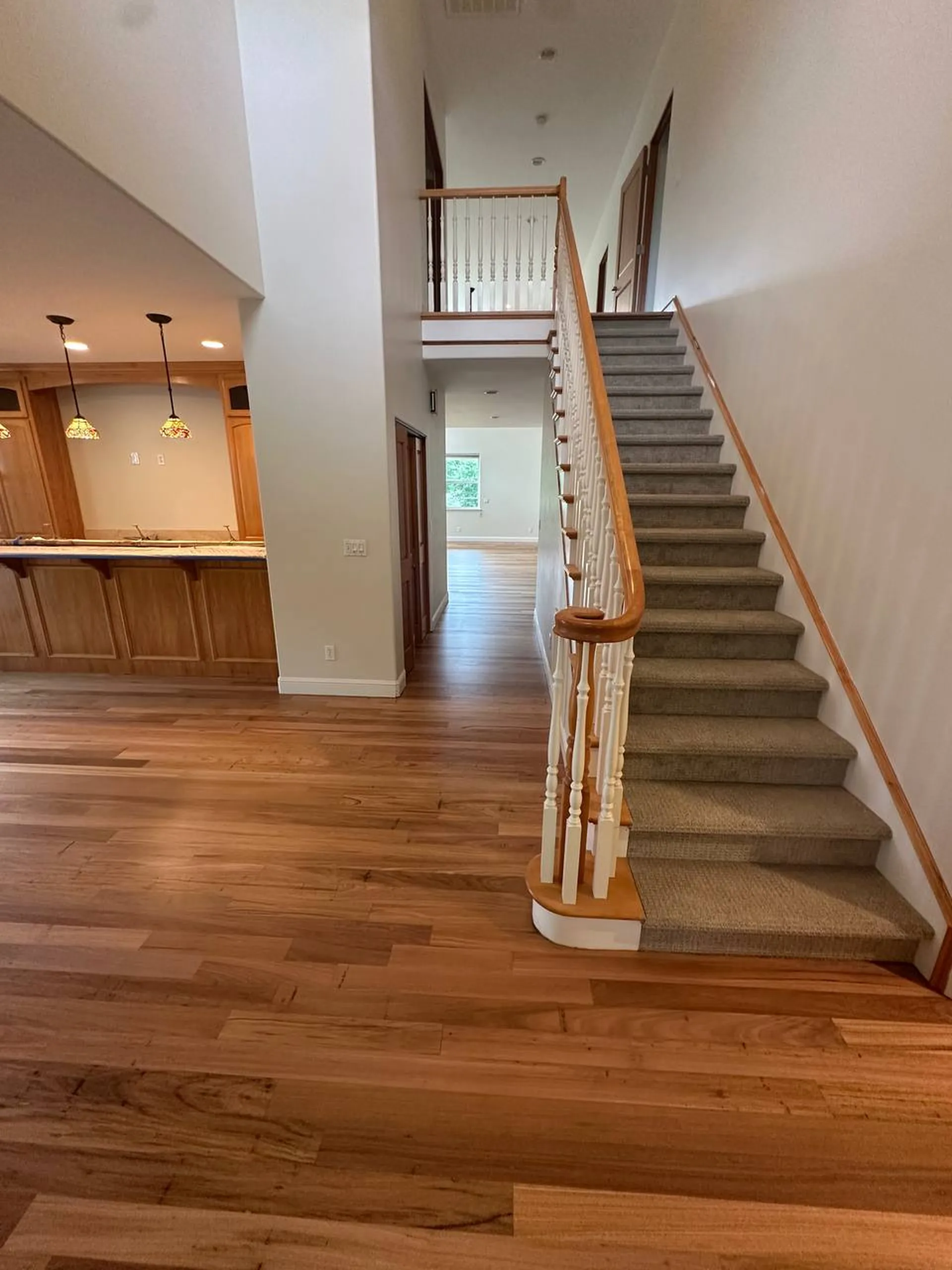
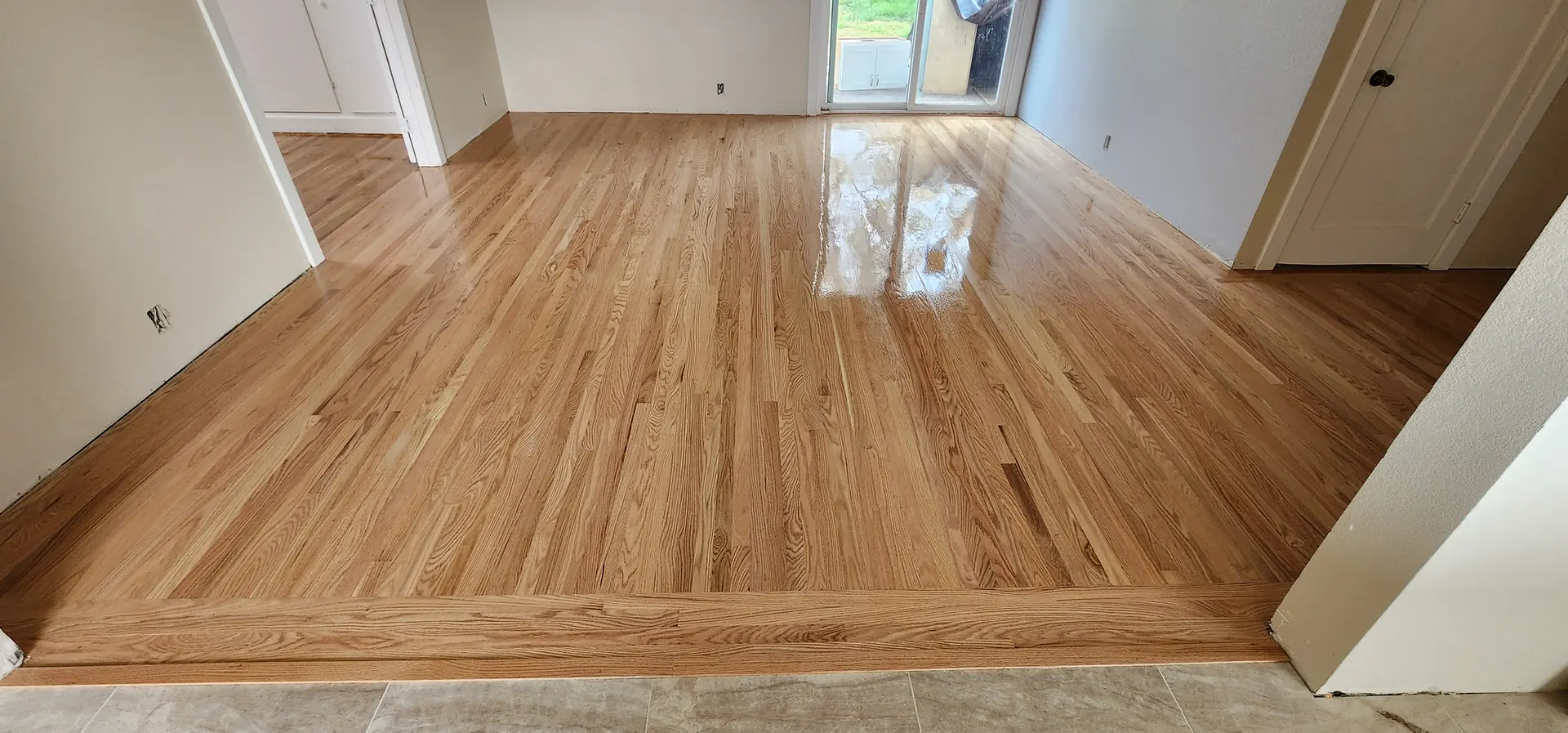
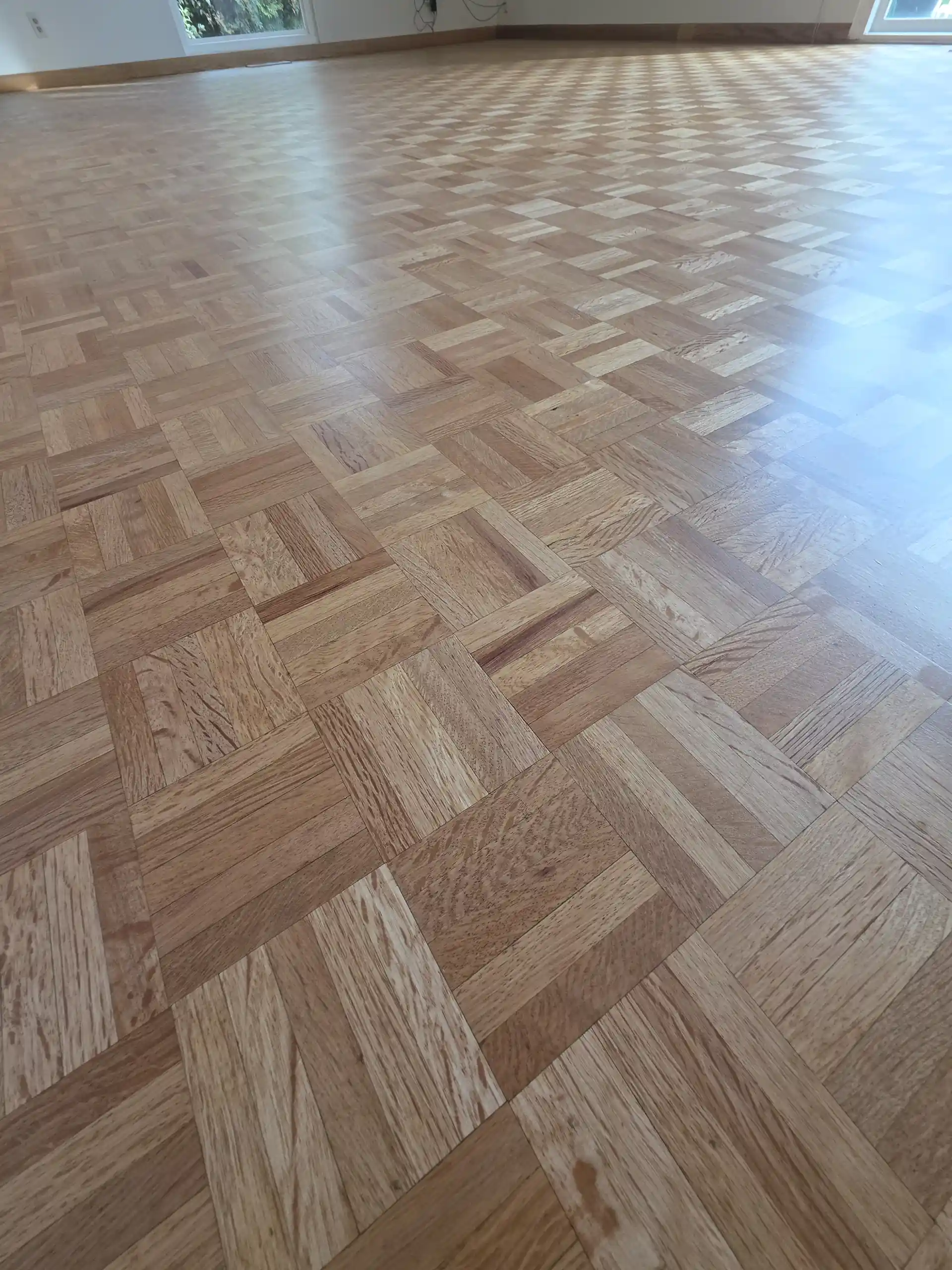
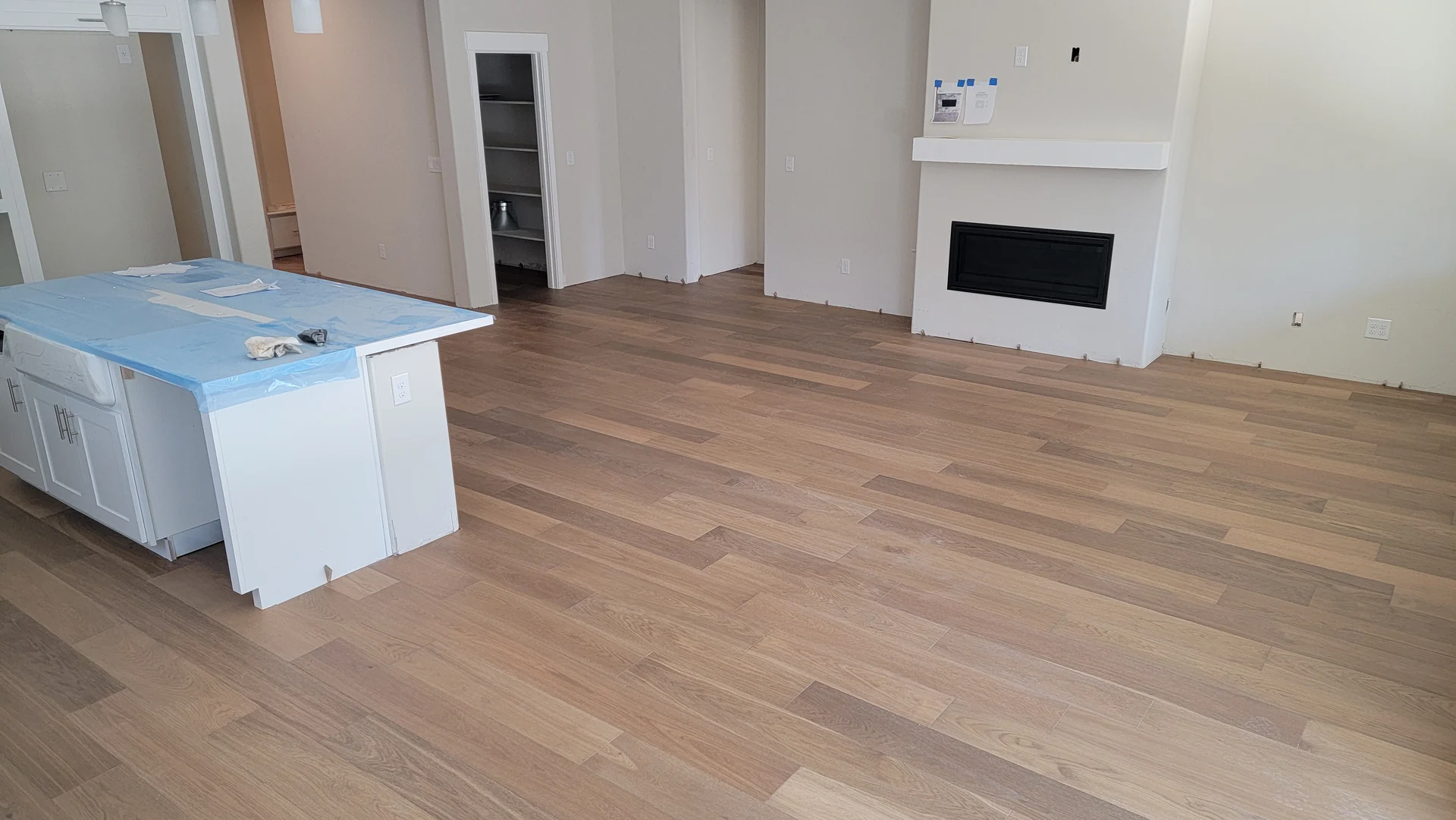
Floor Monkeys Projects
Why Floor Monkeys
| What you get | Floor Monkeys | Typical installers |
|---|---|---|
| License number shown and checkable | ||
| Crew shows up when we say | ||
| Job site cleaned every day | ||
| Moisture test before every wood install | ||
| We move your furniture and move it back | ||
| 1-year workmanship warranty in writing | ||
| Owner personally checks every job |
Your Flooring Project
We inspect the existing wood, old coating and wear at doors and furniture. The visit establishes which treatments are safe for the boards you have.
Your refinishing quote identifies sanding depth, repairs and the proposed finish system. Separate choices make a recoat easy to compare with a full refinish.
The work window follows finish selection, product supply and your room access needs. Our plan leaves time for any required review before coating begins.
Nearby surfaces get protected before repairs and sanding equipment enter the room. The crew maps a safe route around areas that will receive fresh finish.
Surface work follows the chosen treatment, from repair through the final protective coat. We check edges and sample color before finishing the main field.
Care guidance covers cleaning and the return of furniture and rugs. The walkthrough gives you time to review surface details with the finishing crew.
Sanded & refinished Douglas Fir floors from 1958 & gave them new life! Fast, efficient, skilled & professional! I would highly recommend Floor Monkeys! 🐒🐒🐒
⭐⭐⭐⭐⭐ I cannot recommend Kirill and crew from Floor Monkeys highly enough! From start to finish, they were professional, efficient, and truly cared about doing the job right. When the flooring supplier sold me the wrong product, the crew immediately went to pick up the correct materials without hesitation. They moved all of my furniture, leveled the subfloor, installed beautiful new flooring in both of my bedrooms, and then carefully put everything back exactly where it belonged. Their attention to detail, work ethic, and commitment to customer satisfaction were outstanding. It’s rare to find a company that is this ethical, dependable, and professional. The quality of their work exceeded my expectations, and I couldn’t be happier with the results. If you’re looking for a flooring company you can trust, I wholeheartedly recommend Four Monkeys. They earned every one of these five stars!
Kirill, owner of Floor Monkeys, went well-above anything I expected. We met several times, he tested our hardwood floor, made recommendations on how our once beautiful (and not so old) flooring could be brought back to life. The results were amazing! I was so impressed with the time, care, trust, and level of professionalism I experienced from beginning to end. I would recommend Floor Monkeys to anyone who is in need of the best in the industry...
Ready for floors you'll show off?
Free in-home estimate. Written quote. No pressure.
Roseville refinishing starts with the wood already in your home, not its age. Board thickness, finish wear and past sanding determine what can be saved. A careful check helps separate a coating refresh from deeper work.
Roseville has many homes dating to about 1998 or before. An existing wood floor could have arrived with the house or during a remodel. Some homes may have engineered boards, while others may have solid wood. We check each floor type before recommending work that takes wood away.
Roseville has many homes dating to about 1998 or before. An existing wood floor could have arrived with the house or during a remodel. Some homes may have engineered boards, while others may have solid wood. We check each floor type before recommending work that takes wood away.
A worn walking path can look worse than the wood beneath it. Scratches in the coating may respond to a lighter treatment in some cases. Deep wear, peeling finish or a color change can require a full sand. Our visit looks at those clues across the floor, not just one spot.
Slab construction still matters even when the job focuses on the wood face. Loose areas, damp marks or cupped boards may point to a deeper issue. We check the cause first, since a fresh coating only changes the surface. The cause needs review before the finish work becomes the next step.
A whole-home refresh also needs clear limits where old and new work meet. You may want to keep the wood while changing nearby carpet or cabinets. Our crew checks the edge details and the order of those other tasks. A sensible sequence helps protect the new coating from later remodel work.
Flat sanding gives stain and finish an even surface to settle across. In a Roseville home, the safe sanding depth depends on the actual boards. The goal is a level surface while preserving useful wood below.
A thin engineered face leaves less room for sanding than thick solid wood. Past work may already have removed part of the available wear surface. We look at doorways, vents and exposed edges for clues about board thickness. Our checks establish whether another full sand is a sound choice for you.
A thin engineered face leaves less room for sanding than thick solid wood. Past work may already have removed part of the available wear surface. We look at doorways, vents and exposed edges for clues about board thickness. Our checks establish whether another full sand is a sound choice for you.
Loose boards and raised fasteners need attention before the machines cross the floor. Deep gaps and damaged ends may need repair or a replacement piece. Matching an old board takes care because grain and age affect the result. Our repairs address loose joints so the floor has sound support for sanding.
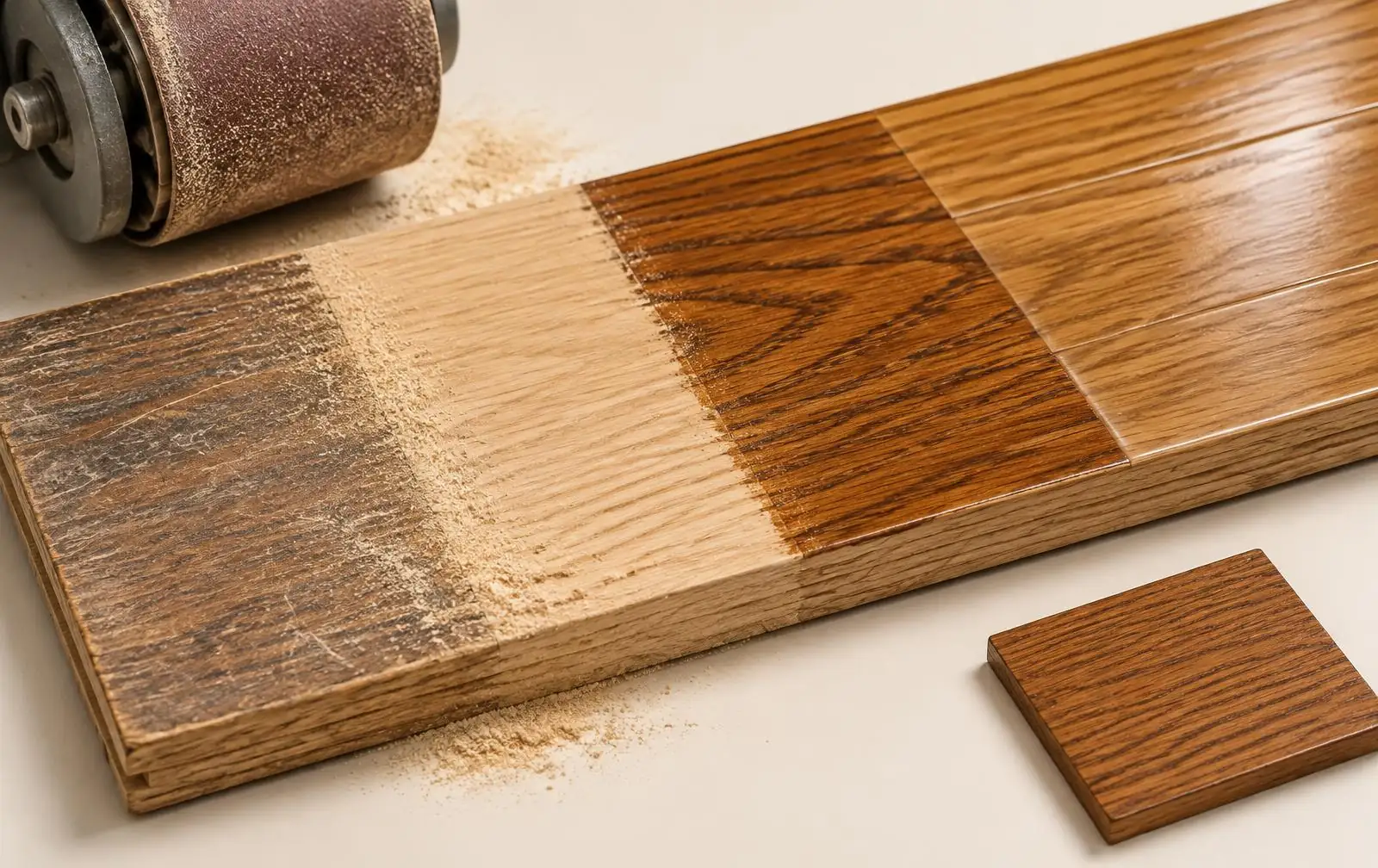
Sanding runs through stages that remove old coating and refine the wood surface. The edge tools must blend their work with the broad room field. A rushed edge can leave a visible band near walls after staining. We review those areas before the surface moves on to the color stage.
Bare wood can reveal stains that were hidden by a dark old finish. Some marks reach deeper than safe sanding can remove from the boards. A darker stain may soften contrast, while a board repair may help elsewhere. We use test areas to show the likely result before you settle on color.
Tap a number to see each part.
Refinishing materials should match the wood, the old coating and your daily use. A stain controls color, while the protective finish controls wear and sheen. We treat color and protective coats as separate but linked choices.
A natural look can let the grain stay clear in bright living rooms. A darker stain changes contrast and may reveal differences between old and patched boards. Different wood species also take the same stain in visibly different ways. Samples on your floor tell us more than a color card alone.
A natural look can let the grain stay clear in bright living rooms. A darker stain changes contrast and may reveal differences between old and patched boards. Different wood species also take the same stain in visibly different ways. Samples on your floor tell us more than a color card alone.
Sheen affects how light moves across the finished room from day to day. A lower sheen can make minor surface wear less striking in strong light. Gloss can draw the eye toward grain but also toward small marks. Our sample review lets you judge that balance beside your own furnishings.
A screen and recoat keeps the existing color beneath a new protective layer. That route requires a sound surface and a finish that will bond. Wax, residue or past care products may interfere with a fresh coating. Compatibility checks come before we promise that a simple recoat will hold well.
Full refinishing allows a broader color change when the wood has enough thickness. Finish choice then shapes drying, odor and the care needed after the work. The product’s guidance sets when furniture and rugs can return to each room. We explain those care needs alongside the color choices on your sample.
For a Roseville wood floor with deep wear and enough face left, we favor full sanding and a clear coat. Low sheen helps soften light across the open floor. If the finish is sound and marks stay shallow, our first step is a bond test for a lighter buff and coat.
Roseville refinishing starts with the wood already in your home, not its age.
Refinishing cost in Roseville depends on wood condition, repairs and the coating plan. A recoat has a different scope from sanding back to bare wood. Room shape and access also affect how much work is involved.
Floor area is the first measure, but the edges change the labor. A narrow hall has more edge work for its area than a broad room. Closets and tight turns need time with smaller tools near their trim. Our crew checks those spaces while measuring the open areas for the estimate.
Floor area is the first measure, but the edges change the labor. A narrow hall has more edge work for its area than a broad room. Closets and tight turns need time with smaller tools near their trim. Our crew checks those spaces while measuring the open areas for the estimate.
Repairs can add work before any sanding passes begin across the main floor. A loose section needs a cause check, while damaged boards may need replacement. Pet stains and old fastener marks can call for a more detailed review. Our quote shows which repairs are included and which need a closer look.
Stain changes add testing and surface work beyond a simple coating refresh. Bare wood needs an even scratch pattern for color to look consistent. The finish system also has its own required coats and drying stages. We explain how each choice changes the work and the cost of coating.
Furniture moves and room access deserve attention before you compare the written estimates. A clear floor lets the team follow the right sanding and coating sequence. Storage space and a route through the home can affect the work plan. Our quote ties these access needs to the treatment your wood actually needs.
For this Roseville floor, our written quote separates board repairs from sanding and coat work, while the exposed board edges guide the sanding depth. Our daily cleanup follows the slab room thresholds and open kitchen edges, keeping grit away from the next stage of work, while the exposed board edges guide the sanding depth.
Roseville refinishing follows checks, repairs, sanding and coating, with drying between finish stages. We set the work sequence around the treatment and condition of your wood. Safe room access depends on the actual product and indoor conditions.
A full refinish begins after furniture is moved and the rooms are protected. We make repairs first so the sanding tools cross a sound wood surface. Deep stains may need another review once the old finish has come away. That discovery can change the plan before stain and coating are applied.
A full refinish begins after furniture is moved and the rooms are protected. We make repairs first so the sanding tools cross a sound wood surface. Deep stains may need another review once the old finish has come away. That discovery can change the plan before stain and coating are applied.
The sanding sequence takes time at walls as well as in the open field. Color samples need review before the final tone is used across the room. Our crew discusses any patch that takes stain differently from the surrounding wood. You can then judge the contrast while a change is still possible.
Coating brings its own pauses because each layer needs the right drying conditions. Airflow, indoor temperature and the finish system all play a part in that. Foot traffic may be allowed before heavy furniture or rugs can come back. We mark closed rooms and explain the safe route around each freshly coated area.
A screen and recoat skips the deep sanding when the existing finish qualifies. That reduces the treatment scope but still needs preparation and a bonding check. We outline which rooms remain off limits during each part of the work. Your household can plan meals, pets and sleeping space around that clear sequence.
For Roseville homes with an HOA, we give you a written scope and product sheets for review, while the exposed board edges guide the sanding depth.
The scope shows the rooms, floor build, and planned work, while the exposed board edges guide the sanding depth. Scheduling follows approval for your address. Gate access and delivery are part of our plan for sanding tools and finish supplies, while the exposed board edges guide the sanding depth. A clear unloading spot keeps the path through the house useful, while the exposed board edges guide the sanding depth. We agree on the carrying route and staging space before supplies arrive, while the exposed board edges guide the sanding depth. The work schedule then fits the approved access hours and the floor’s drying needs, while the exposed board edges guide the sanding depth.
The scope shows the rooms, floor build, and planned work, while the exposed board edges guide the sanding depth. Scheduling follows approval for your address. Gate access and delivery are part of our plan for sanding tools and finish supplies, while the exposed board edges guide the sanding depth. A clear unloading spot keeps the path through the house useful, while the exposed board edges guide the sanding depth. We agree on the carrying route and staging space before supplies arrive, while the exposed board edges guide the sanding depth. The work schedule then fits the approved access hours and the floor’s drying needs, while the exposed board edges guide the sanding depth.
Slab homes form much of the local housing stock around Sun City Roseville and Diamond Oaks. Our sanding survey checks whether existing wood has enough face depth for the wear being removed.
In Roseville's slab homes, a sound bond matters as much as a fresh wood face. We check loose areas before choosing sanding or a recoat. An exposed board edge helps show how much wood remains above the tongue or core. Our estimate is based on the wood exposed and the condition we can verify. Connected rooms need a sensible stopping point when only part of a floor changes. We look for doorways that offer a natural break between treated and untouched wood. In an open plan, the color change may be much harder to blend. Our crew explains where a join may remain visible after the work is done. Refinishing can preserve the feel of a room while improving its worn surface. Saving the boards also keeps the existing floor height where repairs allow. That can help beside doors and cabinets that already fit the old floor. We check that enough sound wood remains for the treatment and its expected benefits. Your own plans help decide how far to take the surface change now. A fresh coat may be enough if the color still suits the room. A full refinish may fit a larger update when the boards permit it. The written scope gives you a clear path from that choice to daily care.
In Roseville's slab homes, a sound bond matters as much as a fresh wood face. We check loose areas before choosing sanding or a recoat. An exposed board edge helps show how much wood remains above the tongue or core. Our estimate is based on the wood exposed and the condition we can verify. Connected rooms need a sensible stopping point when only part of a floor changes. We look for doorways that offer a natural break between treated and untouched wood. In an open plan, the color change may be much harder to blend. Our crew explains where a join may remain visible after the work is done. Refinishing can preserve the feel of a room while improving its worn surface. Saving the boards also keeps the existing floor height where repairs allow. That can help beside doors and cabinets that already fit the old floor. We check that enough sound wood remains for the treatment and its expected benefits. Your own plans help decide how far to take the surface change now. A fresh coat may be enough if the color still suits the room. A full refinish may fit a larger update when the boards permit it. The written scope gives you a clear path from that choice to daily care.
Roseville Project Questions
Possibly, if the wear layer has enough usable thickness for the treatment. We check the board build and past sanding before recommending a full refinish.
A full sand may allow a new stain when the wood is suitable. Floor samples show how your actual species and repairs take the proposed color.
A recoat suits some sound finishes with light wear and compatible coatings. Deep scratches, bare wood and bonding problems may call for a different treatment.
Some stains reach deeper than sanding can safely go through the boards. Our assessment weighs stain samples and local repairs against the condition of the floor.
Related Flooring